
Webinar: Development of New Drugs for Dementia - Current Status and Outlook

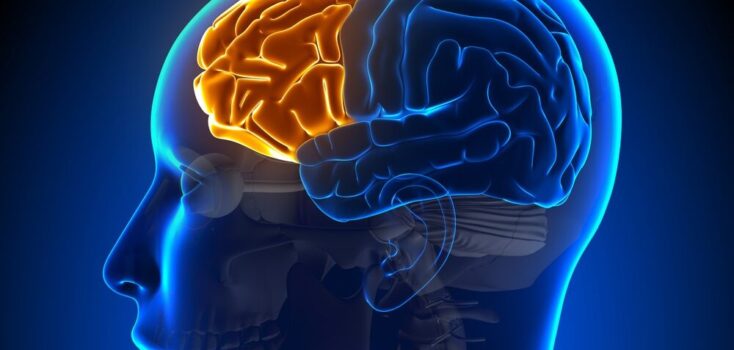
After decades of stagnating research, there's renewed momentum: new monoclonal antibodies against amyloid deposits, such as Lecanemab or Donanemab, are directly targeting the disease mechanisms of Alzheimer's dementia for the first time. Previous medications could only alleviate symptoms, but not slow the progression of the disease. How promising are the new drugs – and…

Webinar: Menopause and Cognitive Health

Hot flashes, sleep disturbances, mood swings – the menopausal phase can cause various physical and mental changes in women. Memory performance and other cognitive abilities, such as concentration and attention, can also be influenced by hormonal changes during this life stage. To alleviate the various symptoms of menopause, menopausal hormone replacement therapy can be used in...

Webinar: Hearing Loss as a Risk Factor for Dementia
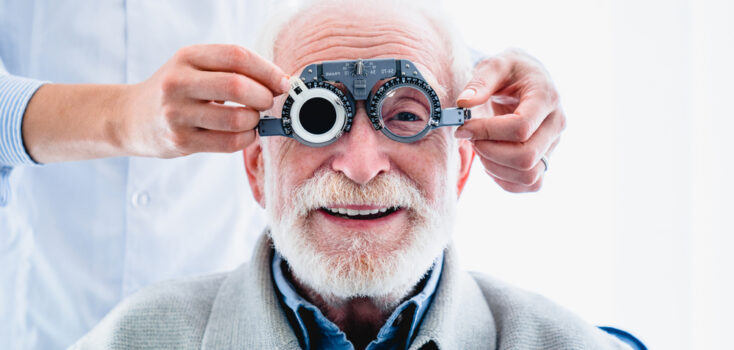
In recent years, knowledge about risk factors for dementia diseases has significantly increased. For a long time, factors such as high blood pressure, lack of exercise, and smoking were the focus. Current research findings are now shedding new light on often underestimated risk factors such as visual impairments and eye diseases. For instance, in 2024, an international team of dementia experts, who...


Webinar: Air Pollution as a Risk Factor for Dementia

Umweltfaktoren rücken immer mehr in den Mittelpunkt der Forschung über die Entstehung von Krankheiten wie zum Beispiel der Alzheimer-Krankheit. Verschiedene Studien zeigen, dass Luftverschmutzung die kognitiven Fähigkeiten negativ beeinflussen kann und sogar als Risikofaktor für Demenzerkrankungen gilt. Doch wie wirken Feinstaub, Stickstoffdioxid und andere Luftschadstoffe auf das Gehirn? Und welche …

Webinar: Digital Remembrance Work – New Approaches in Reminiscence Therapy

Digital technologies open up new possibilities in therapeutic work with older people – especially in memory work. In the context of life story-oriented conversations, personal memories are to be evoked with the help of images, videos, and objects. This can promote mental activity and increase the well-being of people with memory impairments. Such…

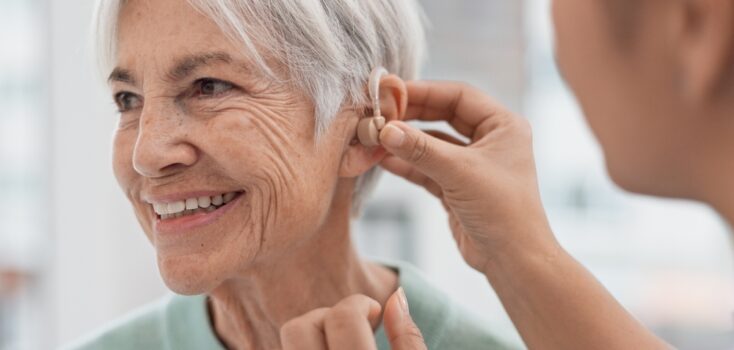
Webinar: Hearing Loss as a Risk Factor for Dementia

Schwerhörigkeit im Alter ist ein weit verbreitetes Symptom – etwa ein Drittel aller Betroffenen ist mindestens 65 Jahre alt. Allerdings nutzen nur wenige Schwerhörige eine Hörhilfe. Ein unbehandelter Hörverlust beeinträchtigt nicht nur den Alltag und kann damit die Lebensqualität einschränken, sondern steht auch in Verbindung mit anderen Gesundheitsproblemen wie zum Beispiel der …

Webinar: Digital Remembrance Work – New Approaches in Reminiscence Therapy

Digital technologies open up new possibilities in therapeutic work with older people – especially in memory work. In the context of life story-oriented conversations, personal memories are to be evoked with the help of images, videos, and objects. This can promote mental activity and increase the well-being of people with memory impairments. Such…