





Webinar: TI Model Region Franconia

E-prescription, electronic patient record (ePA), or e-medication plans (eMP) – what are the challenges in implementing the numerous applications of the Telematics Infrastructure (TI)? And how are these applications accepted by the public and various healthcare providers? To find out, the ‚TI Model Region Franconia‘ is testing and piloting the various TI applications with...

Webinar: Synesthetic Perception and Multisensory Offerings for Dementia

Wärmende Sonnenstrahlen, duftendes Parfum, leises Vogelgezwitscher – im Alltag werden viele verschiedene Sinne angesprochen. Wenn der Anblick eines Weizenfeldes gleichzeitig den Geschmack von frisch gebackenem Brot hervorruft, vermischen sich verschiedene Sinneseindrücke und werden zu einer gesamten Wahrnehmung – man spricht dabei von einer sogenannten ‚Synästhesie‘. Im kommenden Webinar werden die beiden …

Webinar: Die Bayerische Demenzstrategie – Vielfältige Möglichkeiten der Mitwirkung

Festhalten was verbindet – unter diesem Motto setzt die Bayerische Staatsregierung bereits seit 2013 im Rahmen der Bayerischen Demenzstrategie eine Vielzahl an Maßnahmen und Projekten um. Dazu gehört beispielsweise die jährlich stattfindende Bayerische Demenzwoche, an der sich 2023 bayernweit über 1.000 Akteurinnen und Akteure beteiligt haben. Leitziele der Bayerischen Demenzstrategie …

Webinar: Suizidalität und Suizidprävention bei Demenz

In Deutschland nehmen sich etwa 9.000 Menschen jedes Jahr das Leben. Dabei sind zwei Zusammenhänge besonders auffällig: Die Suizidraten steigen mit fortschreitendem Alter deutlich an und Männer begehen häufiger Suizid als Frauen. Körperliche, mentale und soziale Belastungen im Alter können sich zuspitzen bis hin zum Wunsch des eigenen Todes. Eine …

Webinar: Psychosoziale Behandlungsformen bei Demenz

Eine Demenz ist nicht heilbar, aber sie ist behandelbar. Deshalb schenken wir in unserem Webinar einem besonderen Thema Aufmerksamkeit: Psychosoziale Behandlungsformen bei Demenz. Denn die Möglichkeiten, Menschen mit Demenz ohne Medikamente zu therapieren, sind vielfältig. Musiktherapie, Kunsttherapie, Aromatherapie, Yoga oder die Reminiszenztherapie – Psychosoziale Maßnahmen dienen auch bei Menschen mit …

Webinar: Digital Biographical Work with People with Dementia

A dementia illness means that those affected gradually lose memories of their own lives. Initially, those affected forget current situations, but as the illness progresses, memories of images and events from their past also fade. These losses can change the perception of one's own self-image.

To help people with dementia remember significant life events, they often need support. They need listeners who engage with their life story and identity and try to help them recall it. People with dementia can experience security, self-respect, joy, and well-being during this search for traces. But the question arises: How can relatives or even strangers empathize with the life stories of those affected when only fragments, sometimes without connection, can be remembered and expressed? One possibility is the use of digital applications, for instance, using tablets to research and visually represent life events online together.

In the upcoming webinar, Petra Dlugosch will present her scientific work on digital biographical work for people with dementia. As a Gerontologist M.Sc. and certified social pedagogist, Petra Dlugosch has been working in dementia care for many years. Among other things, she established and managed the specialist center for caregivers of people with dementia and the dementia service center in Kitzingen, Lower Franconia. In the upcoming webinar, she will present the results of her scientific work and various practical implementation possibilities.

Tuesday, 07/11/2023, 11:00 AM – 11:45 AM
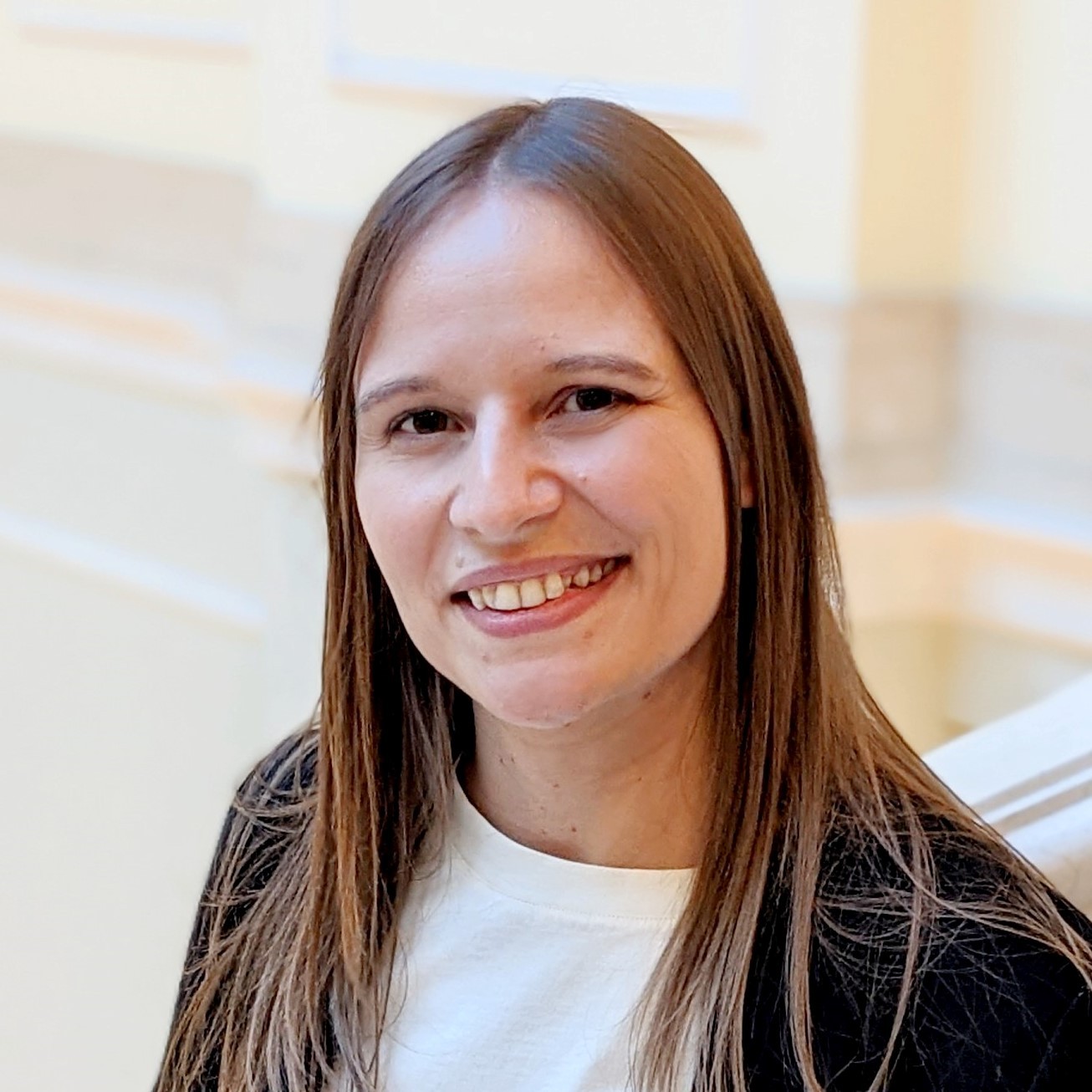
Jana Rühl

Research Associate, M.Sc.

Moderation

Anne Keefer

Research Associate, M.Sc.

Chatrooms and Support

Webinar: The Controversy Surrounding Early Alzheimer's Diagnosis 

Even before dementia occurs, biological changes in the brain can be detected early on. These include, for example, protein deposits known as beta-amyloid proteins. These can be detected using cerebrospinal fluid examinations or specialized imaging techniques. Can these findings lead to reliable conclusions about the development of a…