

Social integration can reduce the risk of dementia

If risk factors are identified and influenced, they can delay or ideally prevent the onset of dementia. Social integration is a significant and modifiable risk factor in this regard. However, there is currently a lack of comprehensive understanding of the connection between dementia risk and social integration.

Soziales Engagement wirkt sich positiv auf Gesunderhaltung aus.

The objective of the systematic review by Wang and colleagues was therefore to present the connection between social integration and dementia risk, as well as the influence of social participation over a longer period. In the study, the researchers defined „social integration“ as the individual's connection to society, family, friends, and community facilities. The authors based this definition on a specific model. Overall, the researchers analyzed 32 studies, with the observation period varying between two and 20 years. 

Social engagement has a positive impact on health maintenance

The researchers concluded that social engagement and the frequency of social contact, in particular, represent a protective factor. Furthermore, the size of one's social network can have a significant influence on maintaining health. According to Wang and colleagues, active participation in social activities plays a more important role than simply accepting social support.

Loneliness is associated with a higher risk of dementia

However, the study also highlights the negative effects of a lack of social engagement on the risk of dementia. For example, loneliness can be compared to obesity in terms of its impact as a risk factor for dementia and is even considered more significant than hearing loss as a risk factor for dementia. 

In summary, the researchers are certain that the factors identified as contributing to social integration can provide policymakers, health experts, and researchers with valuable insights for developing measures to prevent dementia in adults.

Hier geht’s zur Studie:

Association between social integration and the risk of dementia: A systematic review and meta-analysis of longitudinal studies

Higher risk of death and dementia due to social isolation 

The social integration of older adults should be given higher priority. This is the wish of the authors of a Swedish study. In it, they investigated the connection between loneliness and social isolation with mortality. The Corona pandemic and the associated restrictions have made many people realize the consequences of loneliness and social isolation…

Dementia risk opioid painkillers

People between the ages of 75 and 80 have a greater risk of developing dementia if they take opioids. This is supported by a study from Israel, which analyzed the health data of 14 percent of the total population. Despite an increasing number of opioid prescriptions for older adults, there has been little…

Raise public awareness

What do people think about dementia, and how do they think about it? Two studies conclude that extensive public awareness campaigns are necessary to understand the disease and counteract stigmatization. Two studies have examined the extent to which the public is informed about dementia, whether they know exactly what the disease means, and...

Plea for greater dementia knowledge

What exactly is dementia, what challenges do those affected have to overcome, and how does the disease affect families? A recent Dutch study found that knowledge about these and other questions surrounding dementias is insufficient. The study included 655 randomly selected residents of the municipality of Groningen...

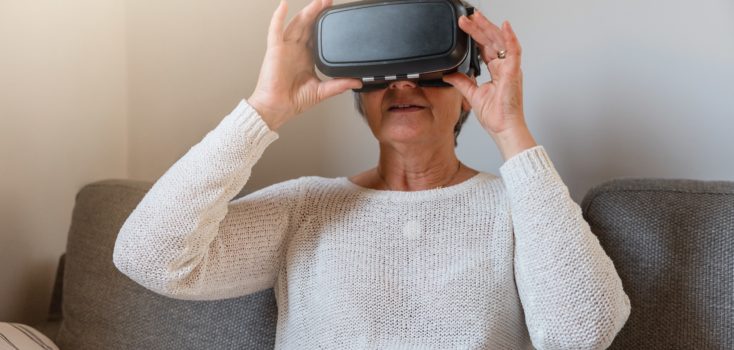
With VR glasses and tablet for better living conditions

Digital technologies are increasingly important for dementia and are gaining growing interest. Dutch researchers have now attempted to gather evidence on the effectiveness of technical options for improving self-management and social participation. Digital technologies enable social participation, facilitate self-management, and contribute to improving the living conditions of people…

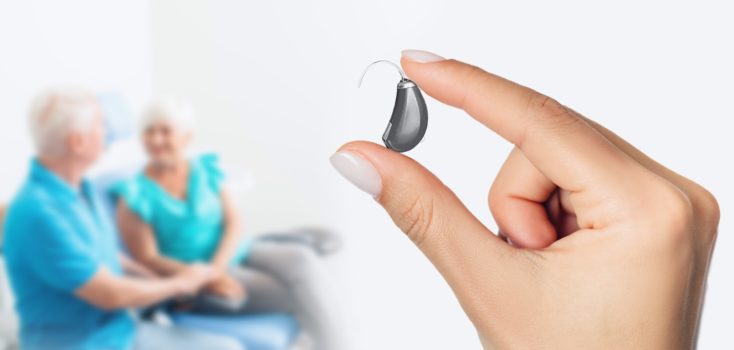
What? Better with a hearing aid!

Das Risiko, eine Demenz zu entwickeln, ist deutlich niedriger, wenn Menschen mit leichter kognitiver Störung (MCI) ein Hörgerät tragen. Mit einem Hörgerät verbessert sich nachweislich der Gehörsinn sowie die Kommunikation und es verringert sich die kognitive Belastung. Das bedeutet: Persönliche und soziale Schwierigkeiten werden gelindert. Dennoch verzichten zum Beispiel in …

Type 2 Diabetes and Dementia Risk: Vigilance is Key

Doctors should closely monitor the cognitive abilities of patients with type 2 diabetes, even in the years following their initial diagnosis. This is due to a later increase in dementia. This is presented by a new scientific study from Germany. Scientists from Germany have now proven what had previously been little researched. They investigated to what extent...