
Ready for the dementia test?

Researchers from China found that 62 percent of surveyed older high-risk individuals were willing to participate in dementia screening. However, only 12 percent actually underwent the test. The researchers cited psychological factors as the explanation for this discrepancy. Almost 40 percent of dementia cases can be prevented or...

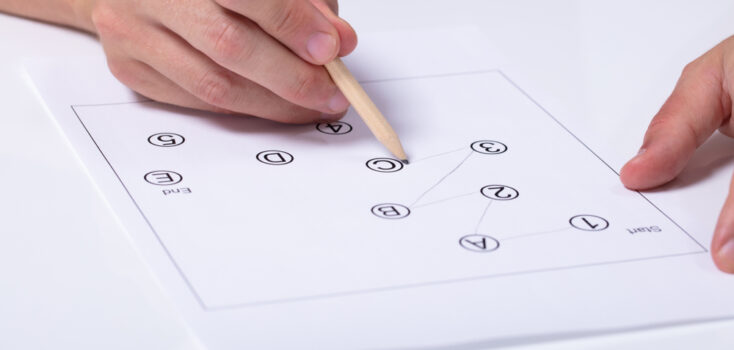
Tested for dementia – now what?

Dementia prevention at the municipal level – how can it succeed? A study from the USA investigated how older people deal with their test results and the information they received after the test. More than half of the study participants shared their screening results with their families, and a good third informed...

Relief after the memory test

Dementia screening by primary care physicians: What are the risks and benefits? Researchers in the USA have investigated in a study whether targeted dementia testing for older people has advantages or disadvantages. It was previously unclear whether primary care screening for dementia offers more benefits to older people...

Webinar: Hearing Loss as a Risk Factor for Dementia

In recent years, knowledge about risk factors for dementia diseases has significantly increased. For a long time, factors such as high blood pressure, lack of exercise, and smoking were the focus. Current research findings are now shedding new light on often underestimated risk factors such as visual impairments and eye diseases. For instance, in 2024, an international team of dementia experts, who...

Webinar: Air Pollution as a Risk Factor for Dementia

Umweltfaktoren rücken immer mehr in den Mittelpunkt der Forschung über die Entstehung von Krankheiten wie zum Beispiel der Alzheimer-Krankheit. Verschiedene Studien zeigen, dass Luftverschmutzung die kognitiven Fähigkeiten negativ beeinflussen kann und sogar als Risikofaktor für Demenzerkrankungen gilt. Doch wie wirken Feinstaub, Stickstoffdioxid und andere Luftschadstoffe auf das Gehirn? Und welche …

Webinar: Digital Remembrance Work – New Approaches in Reminiscence Therapy

Digital technologies open up new possibilities in therapeutic work with older people – especially in memory work. In the context of life story-oriented conversations, personal memories are to be evoked with the help of images, videos, and objects. This can promote mental activity and increase the well-being of people with memory impairments. Such…