
New information about services for family caregivers

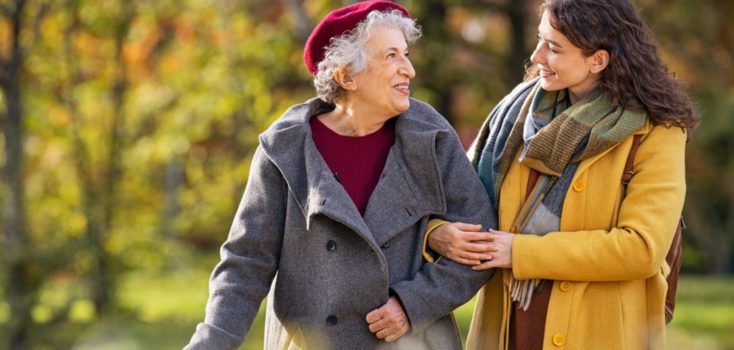
Family members of people with dementia often face significant challenges in their daily lives. For example, relatives frequently feel overwhelmed and are under increased psychological strain. Furthermore, the changed situation can lead to conflicts with the person with dementia themselves, or even between the caring relatives of an affected individual. Various services...

People with Dementia – Personally

Gesellschaftliche Teilhabe ist auch für Menschen mit Demenz und ihre pflegenden Angehörigen wichtig. Oft fehlt jedoch das Wissen über die Erkrankung und das Verständnis für Betroffene. Daher möchten wir in diesem Webinar Menschen mit Demenz eine Stimme geben. Bei Simone wurde eine Demenz diagnostiziert. Ihr Berufsleben musste sie aufgrund der …

Dental Health and Dementia

Even small children learn how important thorough and regular brushing is. However, good oral hygiene contributes not only to sparkling white teeth and fresh breath. There are some scientific studies that have identified insufficient oral hygiene and untreated dental diseases as risk factors for the development of dementia. This is because inflammation in the...

The Right to (Not) Know a Dementia Diagnosis from a Medical-Ethical Perspective

There is no cure for dementia diseases yet. Only the symptoms of dementia can be favorably influenced by non-pharmacological and pharmacological means. Therefore, the question arises whether those who may be affected should seek information about their own dementia diagnosis or not. There are scientific reasons that speak in favor of a timely diagnosis. This way, those affected can...

digiDEM Bavaria and its digital offerings for people with dementia and their relatives

Digital offerings provide various benefits for people with cognitive impairments and their relatives. They are location-independent, available at any time, and can complement and expand existing services, especially in rural areas. The most important goal of digiDEM Bavaria is to improve the quality of life for people with memory impairments and dementia, and their caregivers. …

Occupational therapy for dementia

As cognitive abilities in people with dementia decline, everyday actions and personally meaningful activities become more difficult, or even impossible. Occupational therapy can help maintain the independence of those affected for as long as possible, thereby strengthening their well-being and quality of life. Some scientific...

DemenzGuide: The App for Relatives

A dementia diagnosis confronts those affected and their loved ones with a completely new situation. The increasing need for care and support over the course of the illness presents a particular challenge for relatives. Furthermore, most people have to deal with dementia-related behaviors, such as apathy, restlessness at night, or mood swings. This can have a negative impact, among other things...

Caring Community: Area-Oriented Care for People with Dementia

Demographic change presents society with various challenges. However, at the same time, it offers us the opportunity to actively shape the future and develop innovative solutions. To ensure the quality of life for people in need of care and their relatives providing care in the future, new approaches in advice, support, care, and nursing are needed...

Digital Offering from digiDEM Bavaria: Assessment of Memory Performance

According to the latest World Alzheimer’s Report 2021, 75% people with dementia worldwide live without a confirmed diagnosis. A German study reports a similar proportion. According to the study, 60% people do not have a confirmed diagnosis. Digital tools are a key means of identifying more cases of dementia. That is why the digiDEM Bayern team is presenting a … in the webinar