
The Right to (Not) Know a Dementia Diagnosis from a Medical-Ethical Perspective

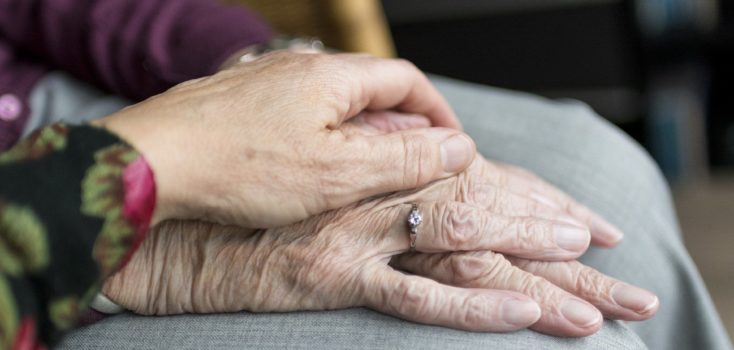
There is no cure for dementia diseases yet. Only the symptoms of dementia can be favorably influenced by non-pharmacological and pharmacological means. Therefore, the question arises whether those who may be affected should seek information about their own dementia diagnosis or not. There are scientific reasons that speak in favor of a timely diagnosis. This way, those affected can...

Webinar: The Right to (Not) Know a Dementia Diagnosis from a Medical Ethics Perspective

There is no cure for dementia diseases yet. Only the symptoms of dementia can be favorably influenced by non-pharmacological and pharmacological means. Therefore, the question arises whether those who may be affected should seek information about their own dementia diagnosis or not. There are scientific reasons that speak in favor of a timely diagnosis. This way, those affected can...

digiDEM Bavaria and its digital offerings for people with dementia and their relatives

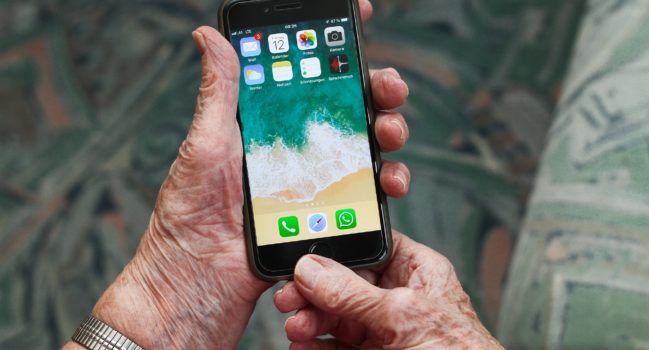
Digital offerings provide various benefits for people with cognitive impairments and their relatives. They are location-independent, available at any time, and can complement and expand existing services, especially in rural areas. The most important goal of digiDEM Bavaria is to improve the quality of life for people with memory impairments and dementia, and their caregivers. …

Webinar: digiDEM Bavaria and its digital offerings for people with dementia and their relatives

Digital offerings provide various benefits for people with cognitive impairments and their loved ones. They are location-independent, always available, and can particularly complement and expand existing services in rural areas. The most important goal of digiDEM Bavaria is to improve the living situation of people with memory impairments and dementia and their caregivers. …

Occupational therapy for dementia

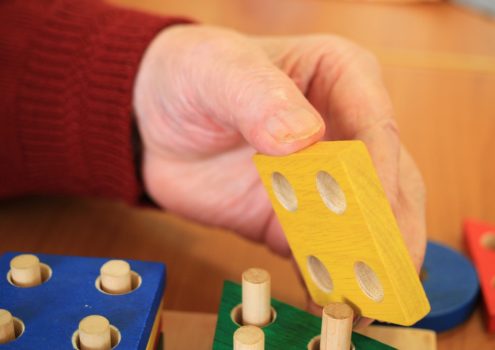
As cognitive abilities in people with dementia decline, everyday actions and personally meaningful activities become more difficult, or even impossible. Occupational therapy can help maintain the independence of those affected for as long as possible, thereby strengthening their well-being and quality of life. Some scientific...

Webinar: Occupational Therapy for Dementia – with Dr. Sebastian Voigt-Radloff

As cognitive abilities in people with dementia decline, everyday actions and personally meaningful activities become more difficult, or even impossible. Occupational therapy can help maintain the independence of those affected for as long as possible, thereby strengthening their well-being and quality of life. Some scientific...

Webinar: Another digital offering from digiDEM Bavaria: The Dementia Knowledge Test – with Prof. Dr. med. Peter Kolominsky-Rabas

Nearly 60 percent of the population in Germany has low health literacy, according to a study. Many find it difficult to inform themselves about health topics, evaluate information, and apply it in their daily lives. The advantages of acquiring health literacy are obvious. For example, health and...

DemenzGuide: The App for Relatives

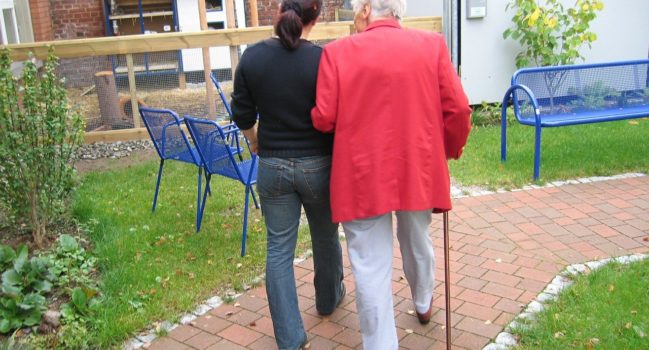
A dementia diagnosis confronts those affected and their loved ones with a completely new situation. The increasing need for care and support over the course of the illness presents a particular challenge for relatives. Furthermore, most people have to deal with dementia-related behaviors, such as apathy, restlessness at night, or mood swings. This can have a negative impact, among other things...

Webinar: DemenzGuide: The App for Relatives – with Dr. Maria Kotulek

A dementia diagnosis confronts those affected and their loved ones with a completely new situation. The increasing need for care and support over the course of the illness presents a particular challenge for relatives. Furthermore, most people have to deal with dementia-related behaviors, such as apathy, restlessness at night, or mood swings. This can have a negative impact, among other things...