
Digital technologies are becoming increasingly important for dementia and are attracting growing interest. Researchers in the Netherlands have now tried to gather evidence on the effectiveness of technical options for improving self-management and social participation.
Digital technologies enable social participation, facilitate self-management, and contribute to improving the living conditions of people with dementia. In short: they are essential for good health. Especially during the pandemic „lockdowns,“ it became clear that digital innovations can help overcome social isolation.
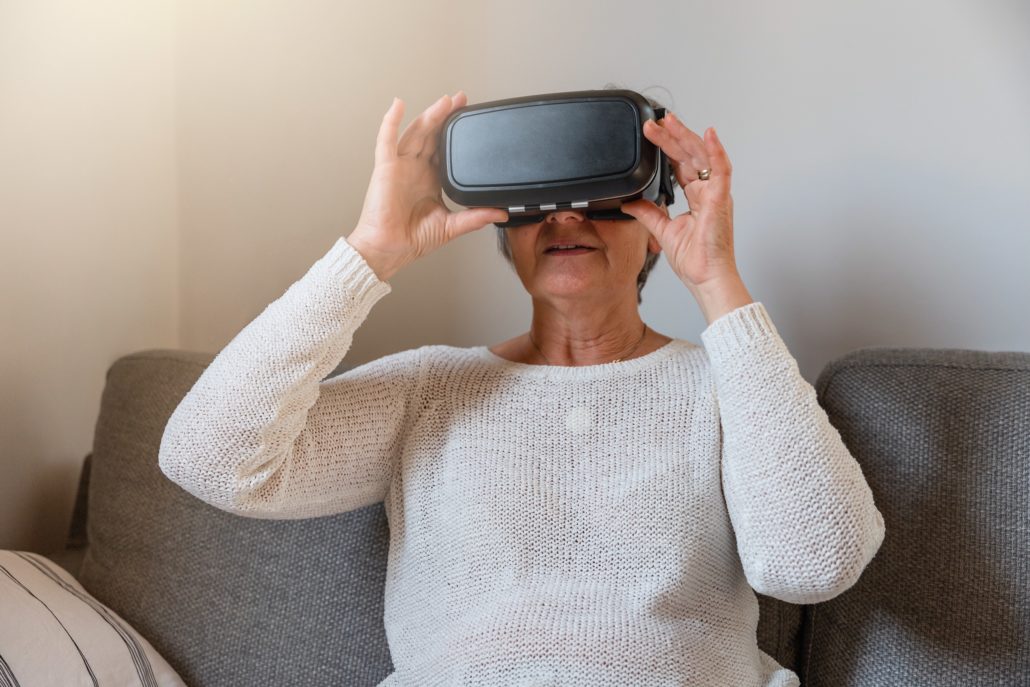
The main goal of the Dutch researchers was to summarize evidence for the effectiveness of new technical possibilities in people with dementia or mild cognitive impairment (MCI). To do this, the scientists systematically evaluated nine studies. The technologies investigated were classified into three groups: technologies based on virtual reality (VR), so-called wearables, i.e., wearable technologies, and software applications.
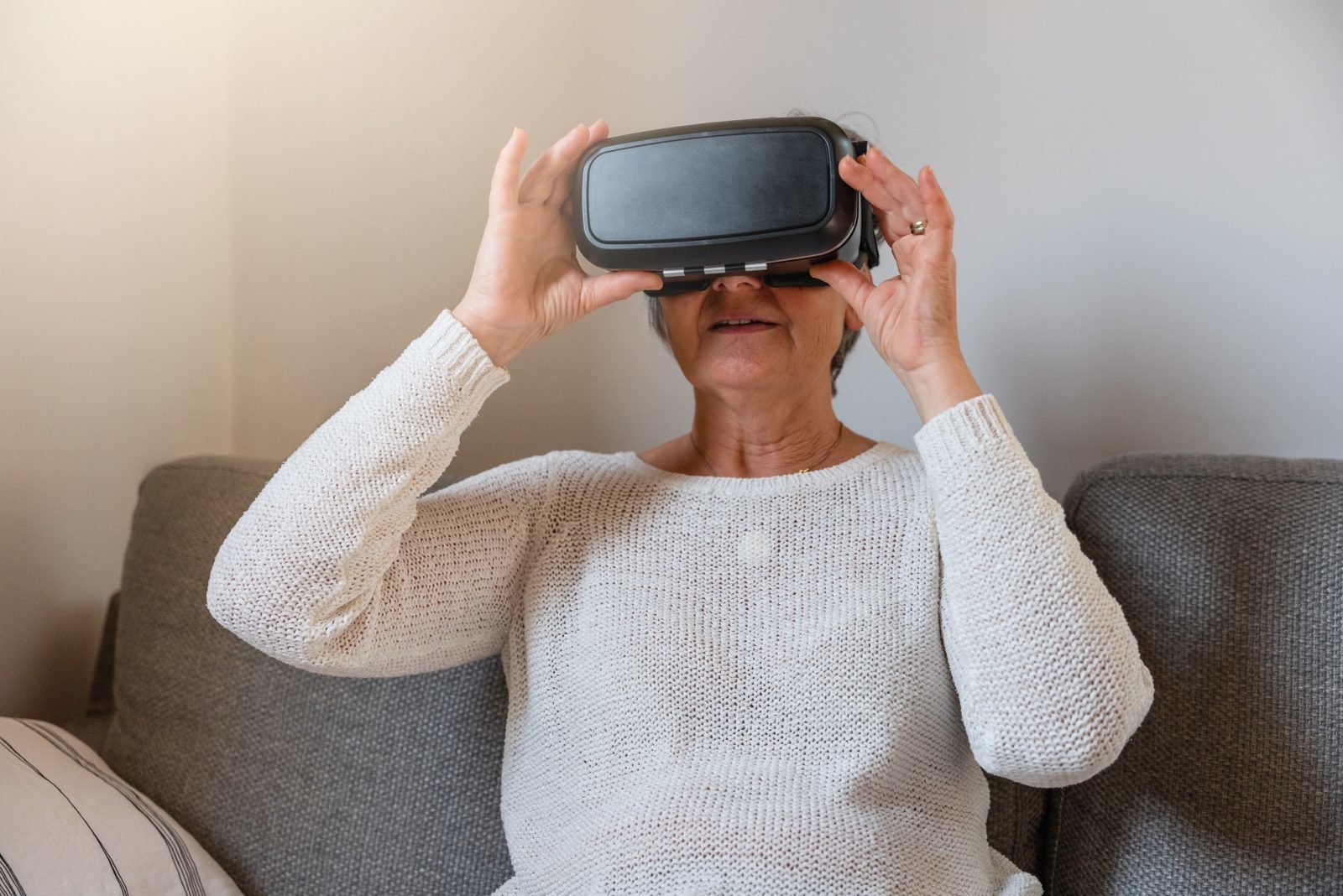
Play table tennis with VR headset
To improve cognitive abilities, study participants virtually rode bicycles, played table tennis using VR goggles, or practiced archery. In the area of social engagement, an app was used in combination with a smartwatch, for example. Facial recognition software was intended to help people with dementia identify loved ones. A tablet served as a tool for cognitive training.
In the review study, the authors admit that the studies they examined provided little scientific evidence. There is a lack of good and meaningful studies. „There is currently insufficient evidence to draw conclusions about the effects of technology use on the social participation of people with dementia or MCI,“ the study states.
Nevertheless, the study concluded: People with mild cognitive impairment (MCI) in particular benefit from the use of digital technologies, for example when computers and the like positively support those affected in self-management. Both for scientific evidence and in healthcare and care systems, the scientists recognize „great scope“ to meet the needs of people with dementia and mild cognitive impairment.
Here is the link to the study: