
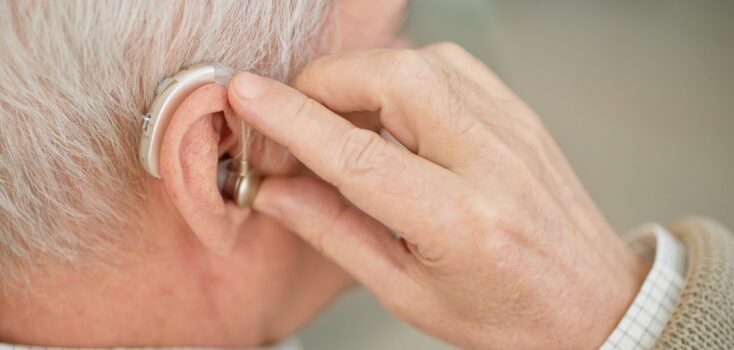
Hearing loss is one of the most common health changes in older age. About one in three people over 65 is affected. For several years, researchers have also suspected a link between hearing loss and an increased risk of cognitive impairment and dementia. But can hearing aids actually help slow down cognitive decline or even prevent dementia? A research team from Australia investigated this question in a recent study.
The researchers used data from a large Australian longitudinal study. The analysis included around 2,800 individuals aged 70 and over who had no dementia at the start of the study but reported hearing problems and had not previously used hearing aids. Two groups were compared: individuals who received hearing aids for the first time during the study and individuals with hearing problems who did not use hearing aids. Participants were followed for a period of up to 7 years.
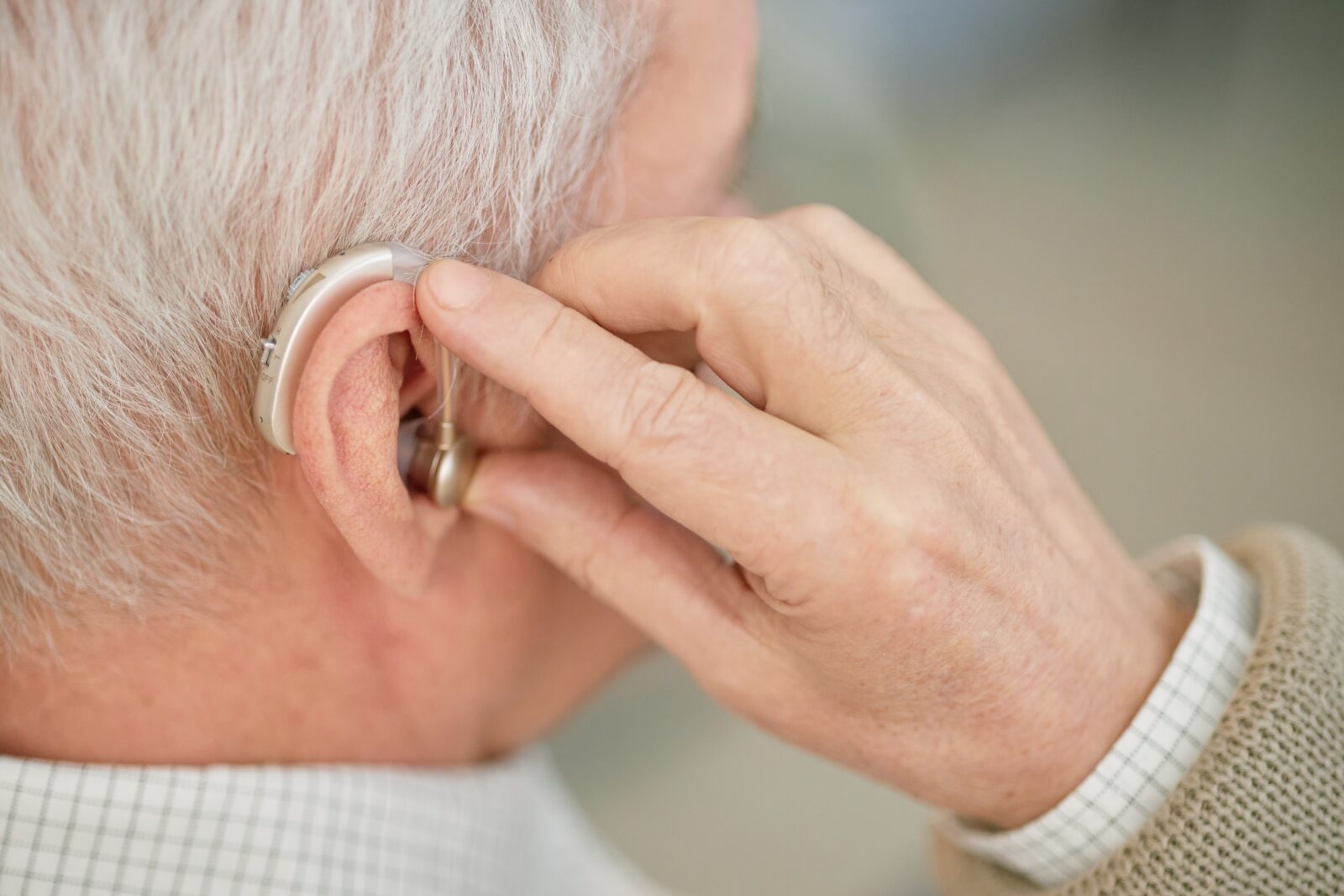
Hearing aids protect against cognitive decline
Over the years, there was no significant difference in overall cognitive performance levels between people with and without hearing aids. In other words, hearing aids could not measurably slow down the age-related decline in attention, memory, or thinking speed on average.
However, the situation was different when it came to the risk of dementia: people who used hearing aids were less likely to develop dementia than those who did not. Specifically, after 7 years, the risk in the group using hearing aids was 5.0 %, while it was 7.5 % in the group without hearing aids.
The risk of general cognitive impairment (i.e., significant decline in mental abilities, with or without a dementia diagnosis) was also slightly lower. Particularly interesting: people who wore their hearing aids regularly or almost always had the lowest risk of dementia. Those who used hearing aids only occasionally benefited significantly less.
Why do hearing aids protect against dementia?
There are various theories as to why good hearing is so important for the brain. People with hearing loss have to make a significant effort to listen. This additional processing power is then unavailable to the brain for other tasks. Furthermore, hearing problems often lead people to withdraw from conversations and engage in fewer social interactions, which in turn is a known risk factor for dementia. Hearing aids help to keep the brain actively involved in life and to train neural pathways through acoustic stimulation.
Use of hearing aids is fundamental for dementia prevention
Although hearing aids are not a miracle cure for cognitive decline, the study emphasizes that treating hearing loss can be a simple and effective way to reduce the risk of dementia in old age. Especially for people who already have significant hearing loss, it is worthwhile to consider not only their quality of life in everyday life but also potential long-term effects on brain health.
Tipp für die Praxis: To test your hearing performance easily and quickly, use the digiDEM Bavaria Hearing Test. If you suspect hearing loss, have it professionally evaluated. Don't shy away from using hearing aids; if prescribed, use them regularly and consistently to lower your risk of dementia.
Hier geht’s zur Studie:
Treating Hearing Loss With Hearing Aids for the Prevention of Cognitive Decline and Dementia