
Diagnosing dementia in a timely manner

Die Diagnosestellung von Demenz erfolgt häufig mit deutlicher zeitlicher Verzögerung. Zwei Studien aus Deutschland begründen wissenschaftlich, warum es wichtig ist, dass Demenzdiagnosen zeitgerecht gestellt werden. Gerechnet ab dem Zeitpunkt der ersten Symptome dauert es bis zu zwei Jahre, bis die Demenzdiagnose gestellt wird. Zu diesem Ergebnis kam ein Team von …

Faster dementia diagnosis with an early detection tool

Je rascher eine Alzheimer-Demenz oder eine andere Form von Demenz erkannt wird, desto zügiger lernen Menschen mit Demenz und ihre Angehörigen mit den Krankheitssymptomen umzugehen. Und desto zeitnaher können Behandlungs– und Unterstützungsmöglichkeiten in die Wege geleitet werden. 75 Prozent der Menschen mit Demenz weltweit leben ohne eine gesicherte Diagnose, so …

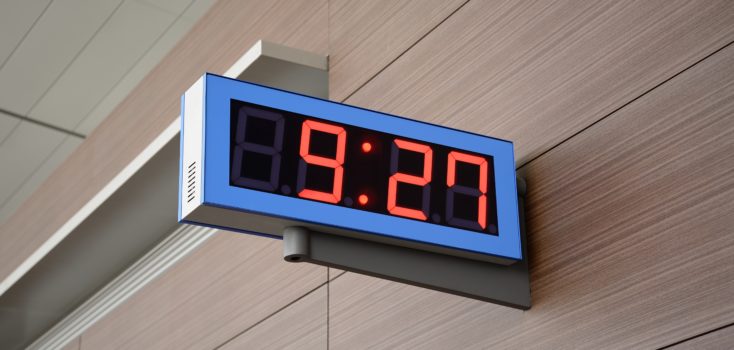
Analog dial or digital display?

To know what time it is, a glance at the clock is enough. But which type of clock makes it easier for people with dementia to read the time? The analog dial or the digital display? A new study from Japan on dementia-friendly watch design answers this question. People with dementia are daily and multiple...

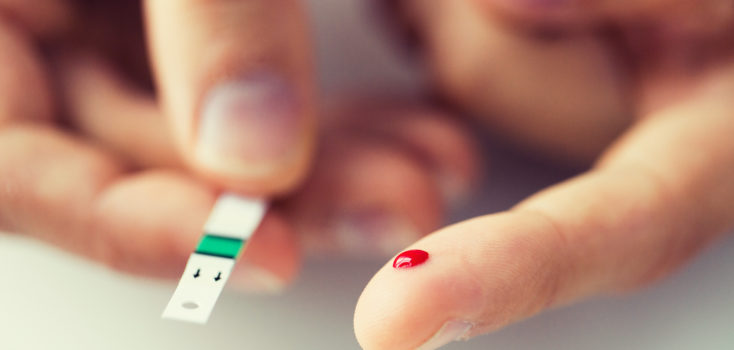
Type 2 Diabetes and Dementia Risk: Vigilance is Key

Doctors should closely monitor the cognitive abilities of patients with type 2 diabetes, even in the years following their initial diagnosis. This is due to a later increase in dementia. This is presented by a new scientific study from Germany. Scientists from Germany have now proven what had previously been little researched. They investigated to what extent...

How therapy dogs help with dementia

Dogs are considered man's loyal companions. A research team from northern Germany investigated what these four-legged friends can do in the therapy of people with dementia. Whether in nursing homes or other care facilities, the use of dogs in therapy is a tried-and-tested practice and has its reasons. As the dementia illness progresses, caregivers and...

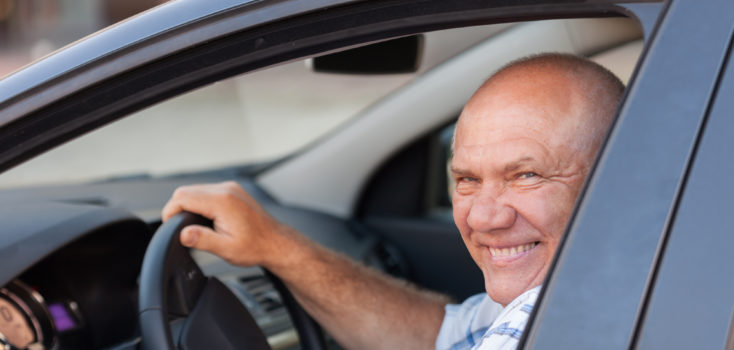
Driving at 70-plus? Screening tests have predictive power for driver's license loss

To what extent can neuropsychological screening tests predict whether people with dementia will have to give up their driver's license? A study of a group of older people from Switzerland provides scientific clarity on this. For general practitioners, it is often a challenge to predict with neuropsychological screening tests in older people the risk of when these people will have to give up their driver's license...