
Webinar: Home care also has its positive sides for those receiving care and their relatives
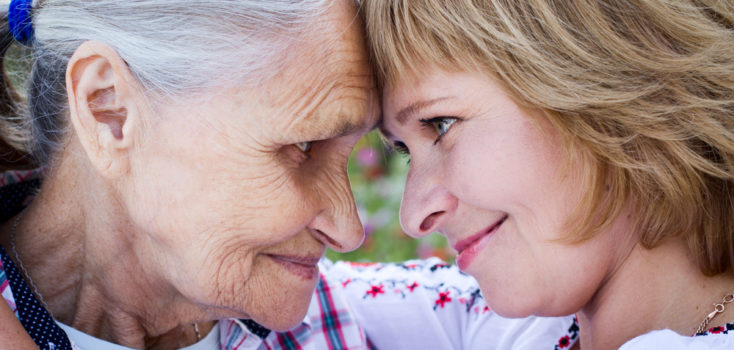
Caregivers and relatives often find their work in the home environment overwhelming or psychologically stressful. For example, they feel tired, overextended, and not sufficiently recognized for their actions. However, home care also has its positive aspects. This is the conclusion of a current study led by…

Webinar: Help from the App Store – Evidence of Apps for People with Dementia and their Caregivers

Germany has a lot of catching up to do when it comes to digitizing its healthcare system. At the same time, health apps are becoming increasingly popular. They can be easily downloaded from app stores and used regardless of location or time. According to one study, almost 80 percent of people aged 60 to 69 are „online.“ But what about the quality of the apps, especially…

Webinar: Different forms of dementia and their progression - an overview

Dementia, as an umbrella term, does not describe a specific single disease but rather a so-called syndrome, meaning a combination of certain symptoms. However, depending on the form of dementia, the initial symptoms and disease progression vary. For this reason, the World Alzheimer Report 2022 has dedicated a separate chapter to different forms of dementia. This knowledge is important for both…

Webinar: New Knowledge on Services for Family Caregivers

Family members of people with dementia often face significant challenges in their daily lives. For example, relatives frequently feel overwhelmed and are under increased psychological strain. Furthermore, the changed situation can lead to conflicts with the person with dementia themselves, or even between the caring relatives of an affected individual. Various services...

Webinar: Dental Health and Dementia

Even small children learn how important thorough and regular brushing is. However, good oral hygiene contributes not only to sparkling white teeth and fresh breath. There are some scientific studies that have identified insufficient oral hygiene and untreated dental diseases as risk factors for the development of dementia. This is because inflammation in the...

Webinar: The Right to (Not) Know a Dementia Diagnosis from a Medical Ethics Perspective

There is no cure for dementia diseases yet. Only the symptoms of dementia can be favorably influenced by non-pharmacological and pharmacological means. Therefore, the question arises whether those who may be affected should seek information about their own dementia diagnosis or not. There are scientific reasons that speak in favor of a timely diagnosis. This way, those affected can...

Success Format Science Watch LIVE Webinar

Diverse and up-to-date: The Science Watch LIVE webinars from digiDEM Bayern regularly provide scientifically sound information on relevant aspects of dementia and dementia research. We at digiDEM Bayern are very pleased that our Science Watch LIVE webinars are so well-received. Therefore, we would like to take this opportunity to express our sincere thanks for your interest...

Webinar: digiDEM Bavaria and its digital offerings for people with dementia and their relatives

Digital offerings provide various benefits for people with cognitive impairments and their loved ones. They are location-independent, always available, and can particularly complement and expand existing services in rural areas. The most important goal of digiDEM Bavaria is to improve the living situation of people with memory impairments and dementia and their caregivers. …

Occupational therapy for dementia

As cognitive abilities in people with dementia decline, everyday actions and personally meaningful activities become more difficult, or even impossible. Occupational therapy can help maintain the independence of those affected for as long as possible, thereby strengthening their well-being and quality of life. Some scientific...