
Effective Coping Strategies for Caregivers of People with Dementia
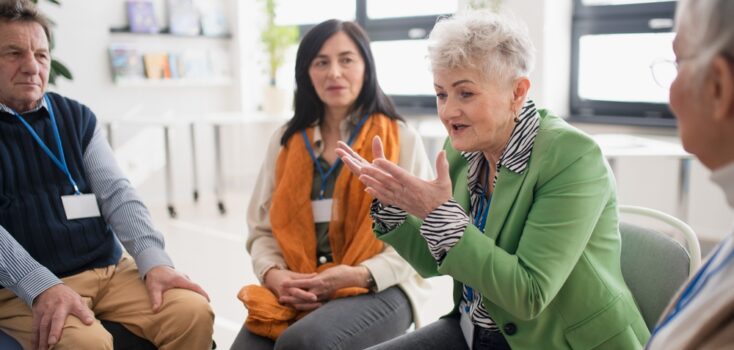
Online via video conference or in person on-site: How effective are therapeutically supported assistance programs for partners and relatives who care for people with dementia? In a pilot study, Italian researchers achieved positive results. How do you deal with challenging behavior from people with dementia? How extensive is your own knowledge of dementia? Italian...
„New health data means new knowledge“

The Bavarian Digital Dementia Register (digiDEM Bayern) has reached a new high with 2,500 participants from all over Bavaria. This makes the dementia research project the largest dementia registry in Germany and one of the most extensive long-term data collection projects in dementia research in the European Union (EU). In the project, funded by the Bavarian State Ministry...

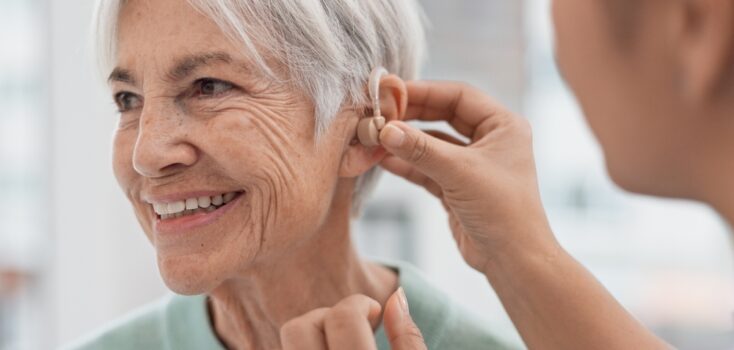
Webinar: Hearing Loss as a Risk Factor for Dementia

Schwerhörigkeit im Alter ist ein weit verbreitetes Symptom – etwa ein Drittel aller Betroffenen ist mindestens 65 Jahre alt. Allerdings nutzen nur wenige Schwerhörige eine Hörhilfe. Ein unbehandelter Hörverlust beeinträchtigt nicht nur den Alltag und kann damit die Lebensqualität einschränken, sondern steht auch in Verbindung mit anderen Gesundheitsproblemen wie zum Beispiel der …

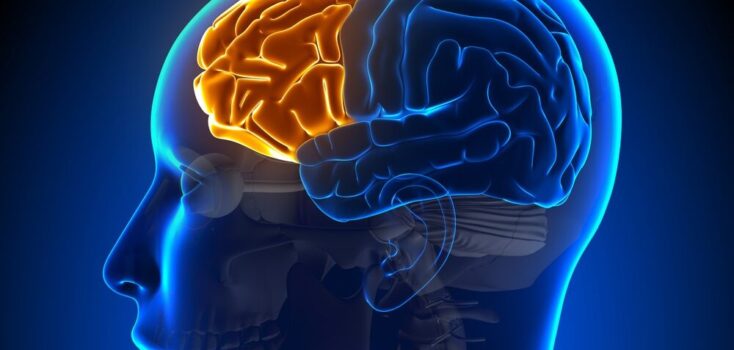
Frontotemporal Dementia – A Multifaceted Disease

Demenz ist ein komplexes Krankheitsbild mit vielfältigen Ursachen, von denen die Alzheimer-Erkrankung nur eine Erscheinungsform darstellt. Die frontotemporale Demenz ist die zweithäufigste Demenzform vor dem 65. Lebensjahr. Typische erste Symptome sind Verhaltensauffälligkeiten und/oder Sprachstörungen, die meist schon im mittleren Lebensalter auftreten. Dies stellt das familiäre Umfeld von Menschen mit frontotemporaler …

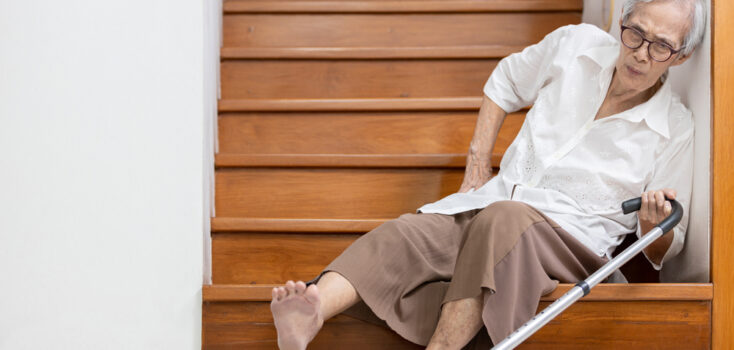
Falls als Anzeichen einer Demenz

What is the risk of an older person developing dementia after a fall? Researchers from the USA found: In 10.6 percent of patients treated for a fall, dementia was diagnosed within one year. Previous studies have already shown a connection between mild cognitive...

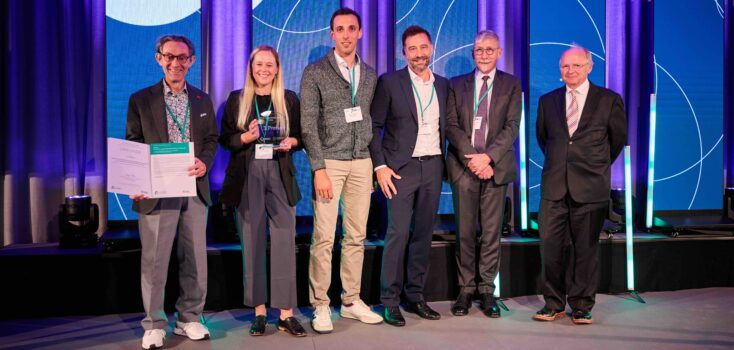
MAKS® Therapy Awarded MSD Health Prize

The MAKS® therapy was honored with an MSD Health Award 2024. The MAKS® program, consisting of several components, has been proven to help people with mild to moderate dementia maintain their cognitive abilities for as long as possible. The non-pharmacological activation therapy helps to slow the progression of dementia and alleviate its symptoms. For the award...