
Suicidality in people with dementia 

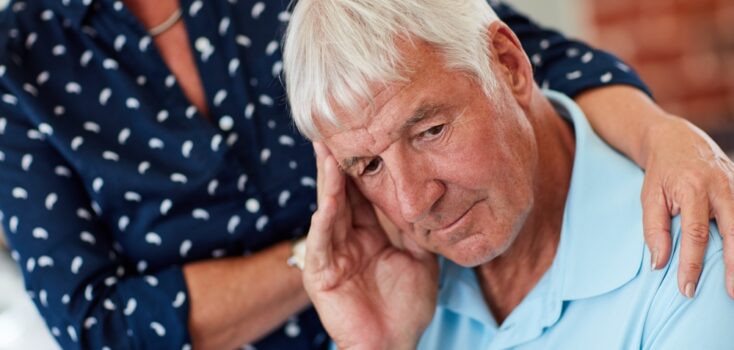
Recent research has already shown a connection between dementia and suicide risk. Scientists from Great Britain have now investigated in a current publication to what extent the suicide risk differs between various types of dementia. Understanding the differences is of great importance for several reasons. Suicidal thoughts, suicide attempts, and suicide deaths are usually counted under...

Frontotemporal Dementia: When Criminal Prosecution Looms

Criminal risk-taking behavior occurs more frequently in people with frontotemporal dementia (FTD) than in people with other forms of dementia. This was discovered by researchers from Germany, the Netherlands, and Australia. Their study was published in August 2025 in the internationally renowned journal Nature Translational Psychiatry. Neurodegenerative diseases such as dementia can not only affect memory...

Is economic inequality a dementia risk factor?

Assets, income, and the risk of people aged 80 and over in Germany developing dementia: what are the connections? Do economic inequalities play a role? Researchers from Germany, Great Britain, and Australia investigated these questions. To get straight to the point: there is a connection between wealth and dementia. „This knowledge has the potential to advance research..."

DiGA: Lack of Scientific Evidence

Digital health applications (DiGA) are used to detect, monitor, treat, or alleviate the symptoms of diseases. However, in Germany, only those DiGAs that have been approved by the Federal Institute for Drugs and Medical Devices (BfArM) are reimbursed by statutory health insurance funds. Safety and data protection requirements are among the first aspects to be examined. Afterward…

Webinar: Development of New Drugs for Dementia - Current Status and Outlook

After decades of stagnating research, there's renewed momentum: new monoclonal antibodies against amyloid deposits, such as Lecanemab or Donanemab, are directly targeting the disease mechanisms of Alzheimer's dementia for the first time. Previous medications could only alleviate symptoms, but not slow the progression of the disease. How promising are the new drugs – and…

Ready for the dementia test?

Researchers from China found that 62 percent of surveyed older high-risk individuals were willing to participate in dementia screening. However, only 12 percent actually underwent the test. The researchers cited psychological factors as the explanation for this discrepancy. Almost 40 percent of dementia cases can be prevented or...

Tested for dementia – now what?

Dementia prevention at the municipal level – how can it succeed? A study from the USA investigated how older people deal with their test results and the information they received after the test. More than half of the study participants shared their screening results with their families, and a good third informed...

Relief after the memory test

Dementia screening by primary care physicians: What are the risks and benefits? Researchers in the USA have investigated in a study whether targeted dementia testing for older people has advantages or disadvantages. It was previously unclear whether primary care screening for dementia offers more benefits to older people...