
Plea for greater dementia knowledge

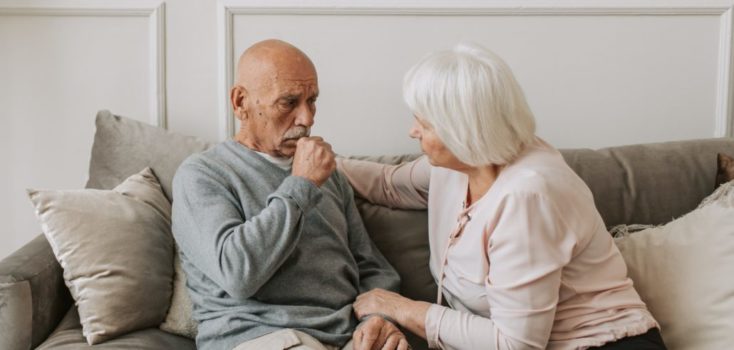
What exactly is dementia, what challenges do those affected have to overcome, and how does the disease affect families? A recent Dutch study found that knowledge about these and other questions surrounding dementias is insufficient. The study included 655 randomly selected residents of the municipality of Groningen...

Webinar: Another digital offering from digiDEM Bavaria: The Dementia Knowledge Test – with Prof. Dr. med. Peter Kolominsky-Rabas

Nearly 60 percent of the population in Germany has low health literacy, according to a study. Many find it difficult to inform themselves about health topics, evaluate information, and apply it in their daily lives. The advantages of acquiring health literacy are obvious. For example, health and...

DemenzGuide: The App for Relatives

A dementia diagnosis confronts those affected and their loved ones with a completely new situation. The increasing need for care and support over the course of the illness presents a particular challenge for relatives. Furthermore, most people have to deal with dementia-related behaviors, such as apathy, restlessness at night, or mood swings. This can have a negative impact, among other things...

With VR glasses and tablet for better living conditions

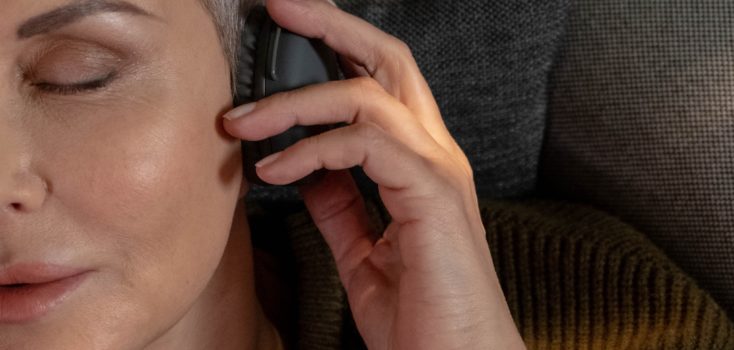
Digital technologies are increasingly important for dementia and are gaining growing interest. Dutch researchers have now attempted to gather evidence on the effectiveness of technical options for improving self-management and social participation. Digital technologies enable social participation, facilitate self-management, and contribute to improving the living conditions of people…

What? Better with a hearing aid!

Das Risiko, eine Demenz zu entwickeln, ist deutlich niedriger, wenn Menschen mit leichter kognitiver Störung (MCI) ein Hörgerät tragen. Mit einem Hörgerät verbessert sich nachweislich der Gehörsinn sowie die Kommunikation und es verringert sich die kognitive Belastung. Das bedeutet: Persönliche und soziale Schwierigkeiten werden gelindert. Dennoch verzichten zum Beispiel in …

What makes people with dementia happy

Japanische Forscher*innen haben die Alltagswünsche von Menschen mit Demenz erforscht. Kennen pflegende Angehörige oder auch Pflegefachkräfte deren emotionale Bedürfnisse, können diese in der Pflegeplanung einbezogen werden. Damit auch die individuellen Alltagswünsche älterer Menschen mit Demenz berücksichtigt werden können, haben Forscher*innen in der Präfektur Aichi in Zentraljapan vertiefende Interviews mit Menschen …

Webinar: DemenzGuide: The App for Relatives – with Dr. Maria Kotulek

A dementia diagnosis confronts those affected and their loved ones with a completely new situation. The increasing need for care and support over the course of the illness presents a particular challenge for relatives. Furthermore, most people have to deal with dementia-related behaviors, such as apathy, restlessness at night, or mood swings. This can have a negative impact, among other things...

Caring Community: Area-Oriented Care for People with Dementia

Demographic change presents society with various challenges. However, at the same time, it offers us the opportunity to actively shape the future and develop innovative solutions. To ensure the quality of life for people in need of care and their relatives providing care in the future, new approaches in advice, support, care, and nursing are needed...

High diagnostic discriminative power even with seven questions

Ein deutsches Team aus Wissenschaftler*innen hat sich mit der diagnostischen Genauigkeit des IQCODE-Fragebogens befasst. Seit seiner Einführung wurde der IQCODE zu einem der am häufigsten verwendeten und am besten wissenschaftlich untersuchten informantenbasierten Screening-Instrumenten. Mit seiner Hilfe gelingt es, kognitiv gesunde Menschen und Menschen mit Demenz in verschiedenen Fortschrittsstadien klar voneinander …