
Researchers from China are tracking the number of people worldwide with MCI

Chinese researchers worldwide investigated the prevalence of mild cognitive impairment (MCI) in the general population at a specific point in time. In their review, they analyzed data from 66 studies with more than 242,000 participants. According to their findings, the prevalence, meaning the frequency of MCI, was...

The Right to (Not) Know a Dementia Diagnosis from a Medical-Ethical Perspective

There is no cure for dementia diseases yet. Only the symptoms of dementia can be favorably influenced by non-pharmacological and pharmacological means. Therefore, the question arises whether those who may be affected should seek information about their own dementia diagnosis or not. There are scientific reasons that speak in favor of a timely diagnosis. This way, those affected can...

Own Symposium at the 11th Congress of the German Alzheimer's Association: digiDEM Bayern Presents Latest Study Results

The digiDEM Bavaria symposium at the 11th Congress of the German Alzheimer's Association in Mülheim an der Ruhr attracted keen visitor interest. Scientists Jana Rühl, Anne Keefer, Nikolas Dietzel, and Michael Zeiler presented the latest research findings from health and care research in the field of dementia. After a long pandemic break, it was that time again: ...

Own Symposium at the 11th Congress of the German Alzheimer's Association: digiDEM Bayern Presents Latest Study Results

The digiDEM Bavaria symposium at the 11th Congress of the German Alzheimer's Association in Mülheim an der Ruhr attracted keen visitor interest. Scientists Jana Rühl, Anne Keefer, Nikolas Dietzel, and Michael Zeiler presented the latest research findings from health and care research in the field of dementia. After a long pandemic break, it was that time again: ...

Webinar: The Right to (Not) Know a Dementia Diagnosis from a Medical Ethics Perspective

There is no cure for dementia diseases yet. Only the symptoms of dementia can be favorably influenced by non-pharmacological and pharmacological means. Therefore, the question arises whether those who may be affected should seek information about their own dementia diagnosis or not. There are scientific reasons that speak in favor of a timely diagnosis. This way, those affected can...

digiDEM Bavaria and its digital offerings for people with dementia and their relatives

Digital offerings provide various benefits for people with cognitive impairments and their relatives. They are location-independent, available at any time, and can complement and expand existing services, especially in rural areas. The most important goal of digiDEM Bavaria is to improve the quality of life for people with memory impairments and dementia, and their caregivers. …

Success Format Science Watch LIVE Webinar

Diverse and up-to-date: The Science Watch LIVE webinars from digiDEM Bayern regularly provide scientifically sound information on relevant aspects of dementia and dementia research. We at digiDEM Bayern are very pleased that our Science Watch LIVE webinars are so well-received. Therefore, we would like to take this opportunity to express our sincere thanks for your interest...

Service offering with passion: the digiDEM Bavaria newsletter

Current news from national and international dementia research, presented in an easy-to-understand language – the digiDEM Bayern Science Watch newsletter is becoming increasingly popular. From many pieces of feedback, we know that you, dear readers, are quite curious and greatly appreciate our digiDEM Bayern Science Watch newsletter. The positive response reflects...

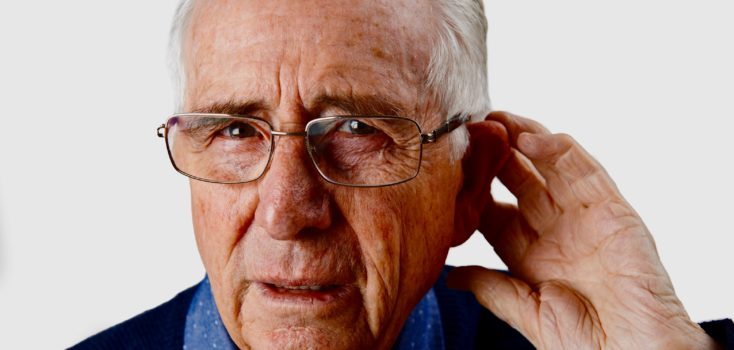
Dementia Risk Hearing Loss – Prevent with a Hearing Test

The warning sign that can literally be easily overlooked is called hearing loss. Poor hearing is considered a risk factor for the development of dementia. The digiDEM Bayern online hearing test has been serving as an early detection tool for hearing loss since 2021. As the renowned journal “The Lancet” reported as early as 2020, mid-life hearing loss is the...

Red – yellow – green: Family caregiver traffic light reliably measures care burden

Developing digital support services for people with dementia and their relatives is one of digiDEM Bayern's main goals. One of the digital services is now a real classic. The digiDEM Bayern caregiver traffic light is a free and scientifically based online self-test that caregivers can complete in just a few minutes. Women are among the...