
Train virtually in a group

Scientists from Canada and the US demonstrated how the physical well-being of people with dementia and people with mild cognitive impairment (MCI) can be improved with the help of technology. Among other things, they identified the various types of interventions from technology-based group exercises for people with dementia or MCI and…

„The heart doesn't go senile“

Most people know Dr. Sarah Straub (38) from numerous performances as a musician throughout Germany. However, she is also a specialist in frontotemporal dementia and a clinical neuropsychologist at Ulm University Hospital. There, she researches people with dementia and their caregivers. As an artist and as a dementia expert, she sees herself as...

Lecanemab: digiDEM Bavaria calculates initial estimates for Germany

The new Alzheimer's drug Lecanemab is raising great hopes for people with dementia and their caregivers. Very recently, a panel of experts from the European Medicines Agency (EMA) recommended the new active ingredient for treatment – subject to strict conditions. But which patient groups meet the requirements for treatment with Lecanemab? This...

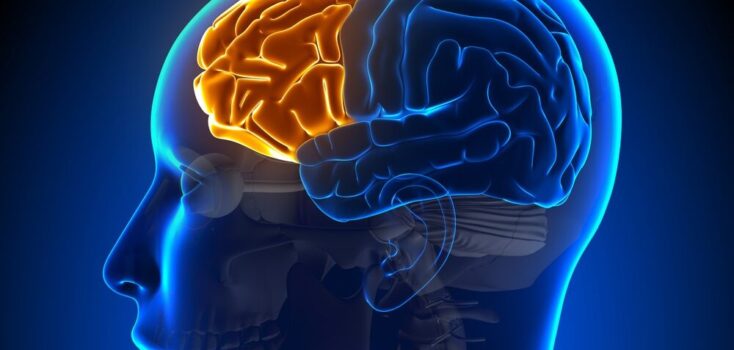
digiDEM Bavaria SPOTLIGHT_07: New Medications for Dementia - A „Breakthrough with Side Effects“

In recent weeks, we have informed you in several parts of our special newsletter SCHLAGLICHT – Medications for Dementia about new dementia drugs and challenges in everyday care. You can reread all published issues at any time in our digiDEM Bavaria newsletter archive: https://digidem-bayern.de/newsletter-archiv/. In the seventh and final issue of our special newsletter SCHLAGLICHT – Medications for Dementia, Michael...

Frontotemporal Dementia – A Multifaceted Disease

Demenz ist ein komplexes Krankheitsbild mit vielfältigen Ursachen, von denen die Alzheimer-Erkrankung nur eine Erscheinungsform darstellt. Die frontotemporale Demenz ist die zweithäufigste Demenzform vor dem 65. Lebensjahr. Typische erste Symptome sind Verhaltensauffälligkeiten und/oder Sprachstörungen, die meist schon im mittleren Lebensalter auftreten. Dies stellt das familiäre Umfeld von Menschen mit frontotemporaler …

How fall prevention can succeed

Which factors are associated with falls in people with dementia? Researchers from China investigated this. Their findings provide clear indications of which characteristics to focus on in fall prevention for people with cognitive impairments. While there are numerous studies that examine the risk factors for falls in older individuals...

digiDEM Bavaria SPOTLIGHT_06: New Medications for Dementia – Recommendations for Prescribing Physicians

In the sixth edition of our special newsletter SCHLAGLICHT – New Medications Against Dementia, Lisa Laininger, research associate at digiDEM Bayern, discusses the publication by Dr. Jeffrey L. Cummings of the University of Nevada Las Vegas and his colleagues, titled Lecanemab: Appropriate Use Recommendations, in the professional journal The Journal of Prevention of Alzheimer’s…

Dementia Prevention via Smartphone Application

To what extent are mobile health (mHealth) interventions on smartphones, supported by a coach, suitable for reducing dementia risk? Researchers investigated this with a focus on individuals aged 55 to 75 who had a high risk of dementia. The study included, on the one hand, population groups from Great Britain with a low socioeconomic status, and on the other hand, the general population in the greater area of...

digiDEM Bavaria HIGHLIGHT_05: New Dementia Medications – Re-evaluating Study Results

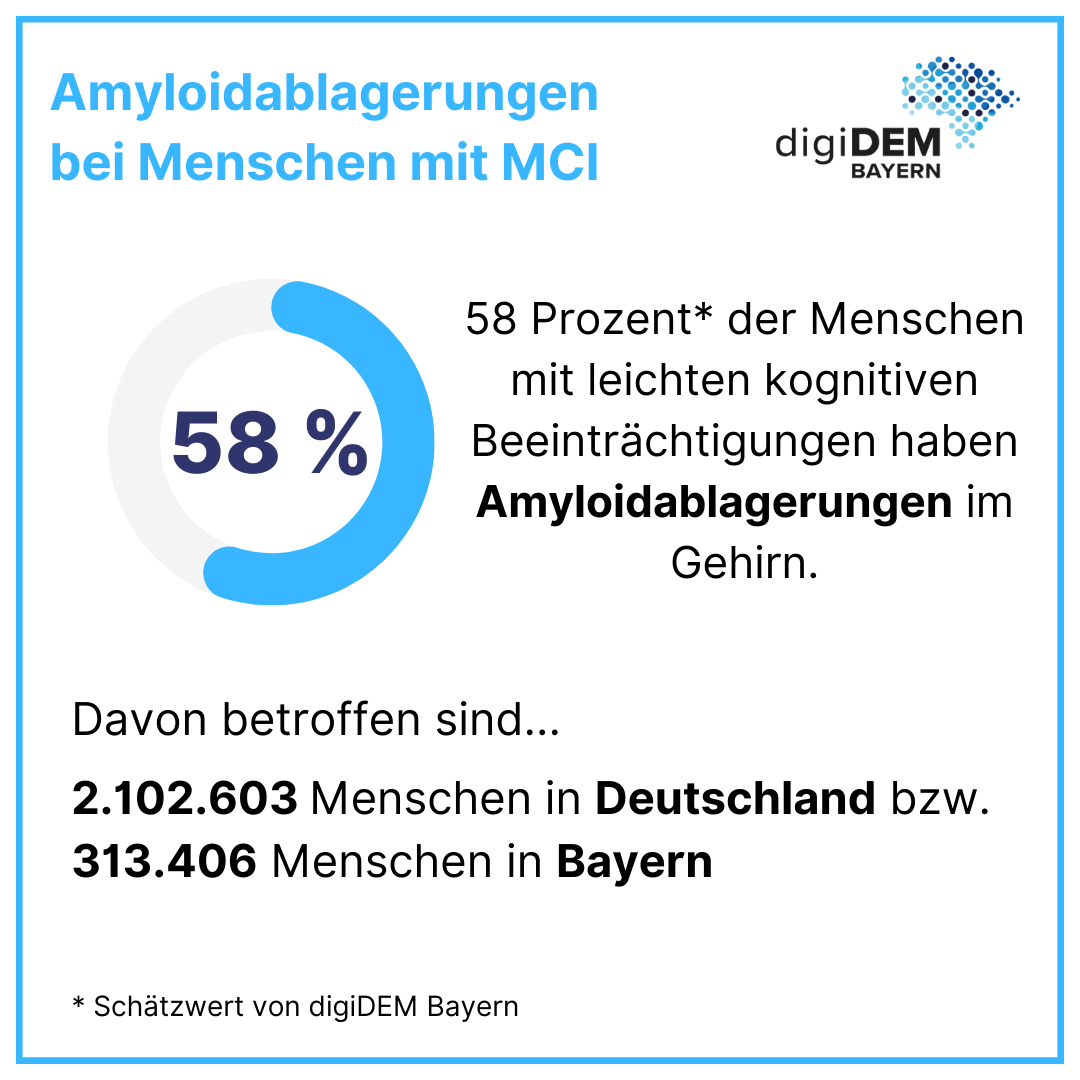
In the fifth edition of our special newsletter, SCHLAGLICHT – New Drugs for Dementia, Anne Keefer, a research associate at digiDEM Bayern, discusses the publication by an international group of researchers led by Prof. Alberto J. Espay of the University of Cincinnati. In the article titled "Recalibrating the Risk-Benefit Profiles of Lecanemab..."