
Structured approach reduces depression and stress

Depressive symptoms and stress in caregivers, as well as behavioral symptoms in people with dementia, can be reduced. One approach for this is the so-called DICE strategy. Anxiety, depression, apathy, or wandering – dementia-related neuropsychiatric symptoms (NPS) are a major challenge for people with dementia, their family members, and caregivers. NPS lead to a higher...


Dementia prevention reduces risks

Up to 40 percent of dementia cases are linked to risk factors that can be changed. These include, for example, lifestyle, stress, diet, and vascular diseases. The preventive potential is therefore significant. Closing existing knowledge gaps about risk factors also has a preventive effect. A Finnish long-term study has revealed a number of positive...

Support without medication

An increasing number of scientific studies demonstrate the success of non-pharmacological measures for people with dementia in the context of post-diagnosis care. „Nihilism, despair, and inaction have no place after a dementia diagnosis.“ This is the conclusion reached by the authors of an article in the World Alzheimer Report 2022. Even those who receive a dementia diagnosis...

Preventing falls – but how?

Falls von Menschen mit Demenz lassen sich vermeiden. It is important to know which additional diagnosed illnesses are present, what the medication regimens are, or in what environment the person lives. The numbers are alarming. Over a period of two and a half years, 31.1 percent of older adults with dementia suffered...

Of Classic Cars and „Moths in the Head“

Wie die Solo-Künstlerin Leah Weigand ihre beruflichen und privaten Erfahrungen mit Demenz verarbeitet, sehen und hören Sie in den beiden Videos „Oldtimer“ und „Vergessenslücken“. Leah Weigand steht seit 2017 auf den Poetry Slam-Bühnen des deutschsprachigen Raums. Unter anderem erreichte sie 2022 das Finale der deutschsprachigen Poetry Slam-Meisterschaften in Wien. In …

Also think of „the thirds“

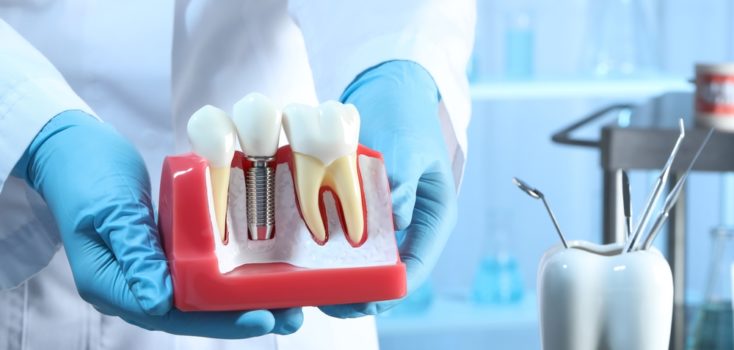
Dental prosthetics play a very important role in preventing cognitive impairment. What's more, „the third teeth“ act as a protective factor for the cognitive functions of patients with dementia and neurodegenerative diseases. This is the conclusion of a systematic review from India. Not only nutrition and dental health have a central influence...

How does the dentist treat dementia-sensitively?

To what extent are dental practice equipment and consultation processes appropriately adapted for the treatment of patients with dementia? What specific circumstances are present in the dental treatment of people with dementia? A team of researchers at Göttingen University Medical Center addressed these and other questions. The aim of the study was to gain more insight into…