
Good days alternate with bad days, says Simone. She has dementia and, at 56 years old, is considered an early onset case. Before the diagnosis, the business administration graduate worked as an entrepreneur. It was a long road until her dementia was diagnosed. In 2020, she voluntarily went to a neurologist. Today, Simone is involved in the social sector, connects with „like-minded people,“ and is a board member of the German Alzheimer's Society. The interview was conducted by Ilona Hörath.
Simone, you've recently become the „mom“ to a little baby cat. How did this new addition to the family come about?
Simone: Our family cat had passed away, and I couldn't bear to live „without fur“ for long. Now I have something to cuddle with again. Since I've been home alone during the day due to my early-onset dementia, I've discovered how wonderful it is to work with animals. At first, I always used to pet horses. They don't care how you're feeling at the moment. They approached me.
Do animals help to cope better with the illness?
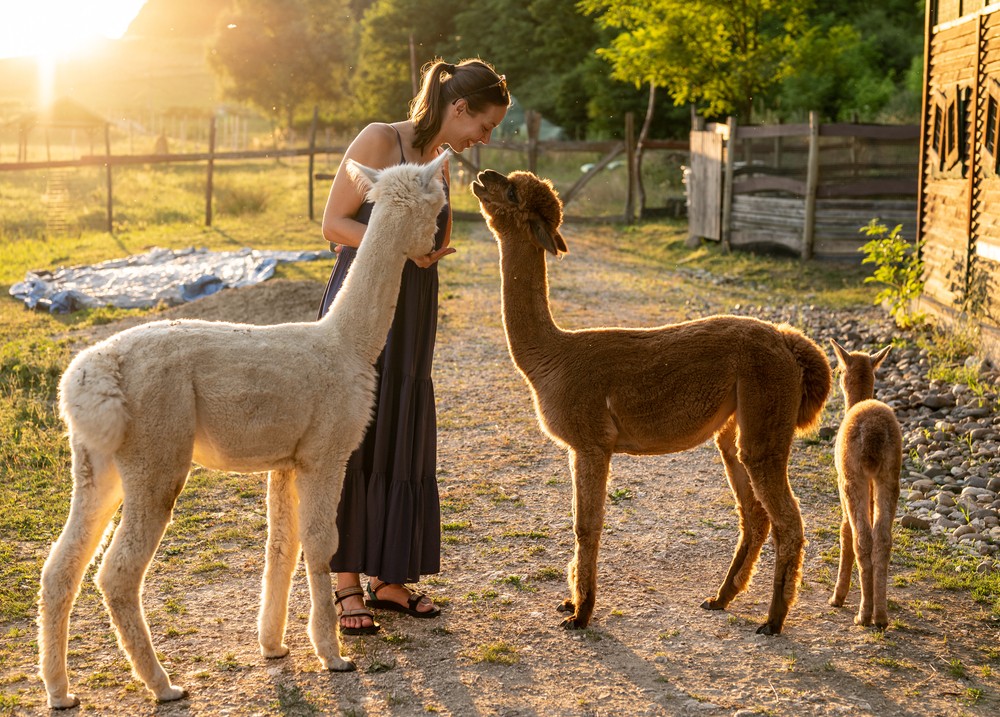
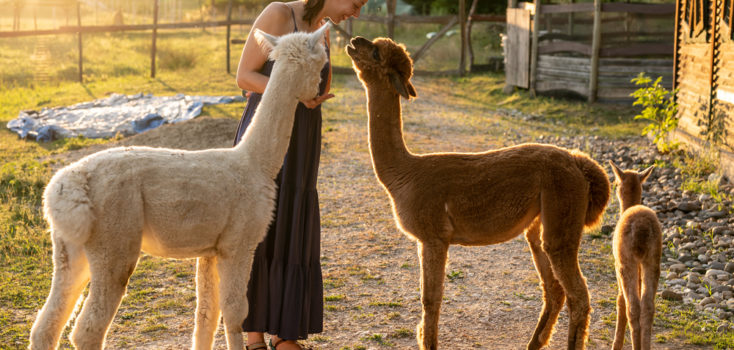
Simone: Nowadays, I walk dogs from the animal shelter. I'm also on a team that cares for therapy alpacas, which are actually flight animals. They are grateful listeners and lend an ear when I tell them something. But you can also just be silent with them when you're not feeling so well.
When did you first notice signs of the illness? What were they?
Simone: For example, I was on my way home and no longer knew where I was. Colleagues told me I was writing emails twice. And my son pointed out to my husband and me that Mom no longer finishes her sentences. However, I still remembered my professional appointments; I hadn't forgotten those. But I forgot all private arrangements and appointments. The symptoms began around 2010, and intensified by the end of 2018.
So the path to your dementia diagnosis was long. Dementia was diagnosed in 2020. What did the diagnosis mean for you?
Simone: First, I went to my general practitioner, who diagnosed me with burnout. I kept mentioning my forgetfulness. After that, I sank into depression and, on my GP's advice, started psychotherapy, which helped me a lot. In 2020, on my own initiative, I saw a neurologist, and this year I received the diagnosis. After this odyssey, I was glad that something was found and that I wasn't imagining things. Incidentally, many affected people feel this way. But the diagnosis itself was devastating. I fell into a deep hole.
You worked as an entrepreneur, you are a wife, and mother to a 27-year-old son. What memory do you have of your last day at work?
Simone: I knew that it couldn't go on like this anymore. It was like a profound powerlessness when I completely resigned from my job on December 31, 2021. I told everyone I had professional contact with that I was sick, without saying it was dementia. There were no discussions, it was accepted, and that acceptance made it easier for me.
How do you manage the symptoms?
Simone: There are good days and bad days. I don't remember some things that happened yesterday at all, but I remember others very clearly. My sense of direction isn't good, and I've lost my sense of time. Everything that's routine gives me security and is good for me. But I don't always manage to stick to the routines. I used to be a very active person and have rediscovered my old „desire“ – but with the limitations and deficits I have now. I try to implement a daily and weekly plan with a whiteboard and colored magnets, and to keep track of mealtimes and drinking times, for example. With an „Alexa box,“ I create shopping lists and other lists, and use this technical aid to run a permanent slideshow to remind myself of beautiful personal and professional moments. That gives you a good feeling. I also cook for my husband every day, even if I sometimes forget ingredients. But all of this is like „little angel and little devil“: the little devil is my innate desire for activity, and the little angel whispers to me „Make fewer appointments!‘
What personally benefits you?
Simone: Plenty of sleep. That's like the elixir of life for me. I take a nap almost every day. I've also started learning to play the piano, which I've always wanted to do. My piano teacher knows I have dementia, and he's very patient with me. I hope to train my coordination and motor skills by playing the piano. It helps me immensely. Singing is also my great passion; I participate in RESONARE for that. „Singing with Dementia“ is a project of the Komische Oper Berlin.
You say you don't want to be „wrapped in cotton wool“?
Simone: It's important to me that people accept me as I am, but at the same time challenge me with things I can still do. For example, an old friend asked me to organize her wedding. "We'll be happy with whatever works out," my friend told me, "and if something doesn't work out, it won't bother her." Another example is former clients. Even today, I go to seminars, meet them there, and cook for them. It's good to know that they still trust me. I want to contribute with my abilities and I want to be challenged – within my capabilities and despite my deficits. That way, I experience a certain success and positive feedback.
Why are you involved as a member of the advisory board of the German Alzheimer Society?
Simone: We want to be a voice for the concerns of people with dementia. Whether in politics, society, or research projects like digiDEM Bavaria: It is important, with to talk to those affected – and not over you.
What exactly do you wish for from your fellow human beings, from society?
Simone: I don't want to be stigmatized, just like the people in my dementia support group. Social participation is very important to us. Why shouldn't jobs be created for those individuals with dementia who can still communicate? By that, I mean jobs as part of reintegration, where simple routine tasks can be taken on. That way, people maintain the feeling of being needed. Because we, people with dementia, may have deficits, but we still have abilities and skills! It would be a shame if they remained unused.
Tell us your greatest wish? Simone: My biggest wish is for a medication that can stop the disease. Personally, I want to stay fit for as long as possible. And my third wish is that I might get a dog. I already have a cat.
Simone, thank you very much for the conversation.
Simone S. was a guest at our digiDEM Bavaria Science Watch LIVE webinar, „People with Dementia - Up Close and Personal,“ on December 13, 2022. Here's the webinar recording.