digiDEM Bayern

Newsletter

Registration

Would you like to stay up-to-date on current topics in dementia research? Then subscribe to our „Science Watch Newsletter – scientific information presented in an easy-to-understand way.“ It contains news from international trade literature, from information on prevention and avoidable risk factors to questions on dealing with dementia diseases and digital offerings. Focus topics, such as nutrition, hearing/vision, or sexuality, are also regularly covered. The content consists of scientifically sound findings that are presented in generally understandable language and briefly summarized.

In addition, after signing up for our newsletter, you will also receive invitations to our regular Science Watch LIVE Webinars.


Latest news from science and research

Here you can reread the individual articles from our newsletter.
Demenz im Pflegeheim: Dämpfende Arzneimittel erhöhen Risiko von Sturzereignissen mit Verletzungsfolge„/></a></div><div class=Science & Research

Dementia in nursing homes: Sedating medications increase the risk of fall events with injury

14.02.2020
When dementia is far advanced, the transition to a nursing home becomes
Keine angemessene Versorgung von Menschen mit Demenz in ihrer letzten Lebensphase„/></a></div><div class=Science & Research

Inadequate care for people with dementia in their final stages of life

13.02.2020
How are people with dementia cared for in their final phase of life? What do they die from, and where?
Pflegende Angehörige nutzen selten Unterstützungsangebote„/></a></div><div class=Science & Research

Caregiving relatives rarely use support services

13.02.2020
There are numerous support services for relatives caring for people with dementia. However, they
Pflege bei Demenz: Frauen stärker als Männer belastet, Kinder stärker als Ehepartner„/></a></div><div class=Science & Research

Care for Dementia: Women More Burdened Than Men, Children More Than Spouses

13.02.2020
Currently, around 1.7 million people with dementia live in Germany. About two-thirds of them are
Demenz wird oft erst spät diagnostiziert„/></a></div><div class=Science & Research

Dementia is often diagnosed late.

13.02.2020
Timely diagnosis of dementia is important for several reasons: Those affected can still make decisions about
Hören und Demenz: Welche Rolle spielen Berichte aus dem Umfeld?„/></a></div><div class=Science & Research

Hearing and Dementia: What Role Do Reports from the Environment Play?

14.01.2020
Hearing problems in older people often emerge gradually. In order to
Große Wissenslücken bei der Therapie von Menschen mit Demenz und Hör- oder Sehbehinderungen„/></a></div><div class=Science & Research

Significant knowledge gaps in the therapy of people with dementia and hearing or visual impairments

14.01.2020
Visual and hearing impairments are among the most common comorbidities.
Sehbehinderungen von Menschen mit Demenz oft nicht gut genug behandelt„/></a></div><div class=Science & Research

Vision impairments in people with dementia are often not treated well enough

14.01.2020
As age-related diseases, visual impairments and dementia often occur simultaneously. Due to demographic change
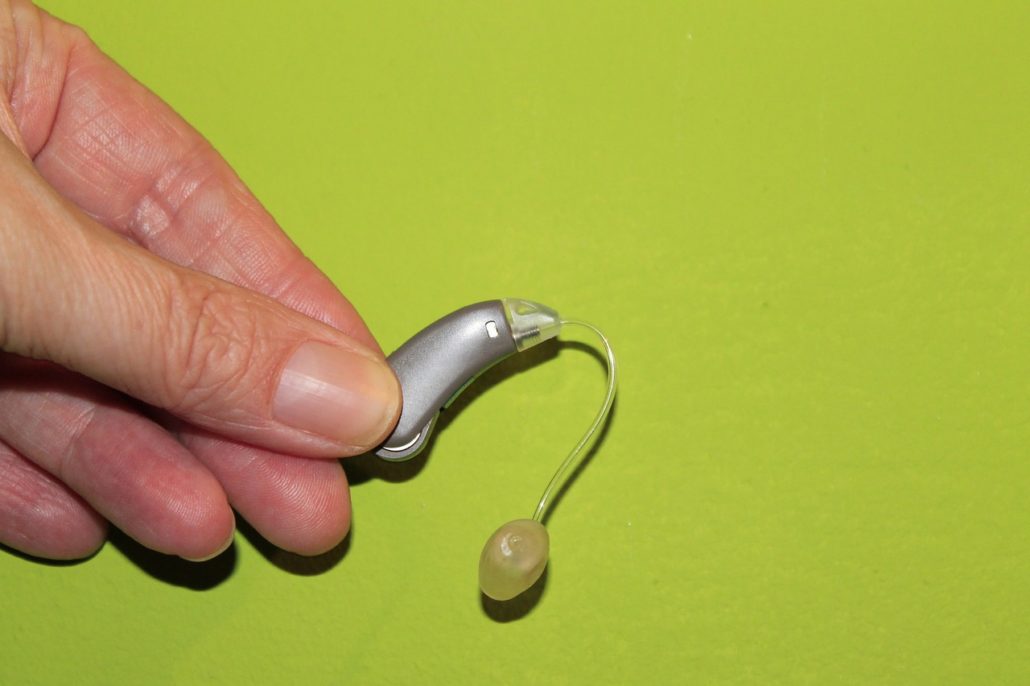
Kann der Einsatz von Hörgeräten eine Demenzdiagnose verzögern?„/></a></div><div class=Science & Research

Can the use of hearing aids delay a dementia diagnosis?

14.01.2020
If hearing loss and dementia are related, what role can hearing aids play?
fMRT-Studie lokalisiert Weihnachtsgeist im Gehirn„/></a></div><div class=Science & Research

fMRI Study Localizes Christmas Spirit in the Brain

04.12.2019
When people talk about the Christmas spirit, everyone knows what they mean: feelings of joy
E-Learning als Unterstützung für pflegende Angehörige„/></a></div><div class=Science & Research

E-Learning as Support for Family Caregivers

03.12.2019
The support and care of people with dementia represent for family caregivers
„Use it or lose it“: mit Kreuzworträtseln gegen den kognitiven Abbau?„/></a></div><div class=Science & Research

„Use it or lose it“: crosswords against cognitive decline?

03.12.2019
as self-evident that intellectual engagement promotes the preservation of cognitive abilities in old age
1 29 30 31 32

Newsletter Archive

This way to the archive where you can find all previously published newsletters for reading

Skip to content