digiDEM Bayern

Newsletter

Registration

Would you like to stay up-to-date on current topics in dementia research? Then subscribe to our „Science Watch Newsletter – scientific information presented in an easy-to-understand way.“ It contains news from international trade literature, from information on prevention and avoidable risk factors to questions on dealing with dementia diseases and digital offerings. Focus topics, such as nutrition, hearing/vision, or sexuality, are also regularly covered. The content consists of scientifically sound findings that are presented in generally understandable language and briefly summarized.

In addition, after signing up for our newsletter, you will also receive invitations to our regular Science Watch LIVE Webinars.


Latest news from science and research

Here you can reread the individual articles from our newsletter.

„Erhebliche Veränderungen des Nervensystems“„/></a></div><div class=Science & Research

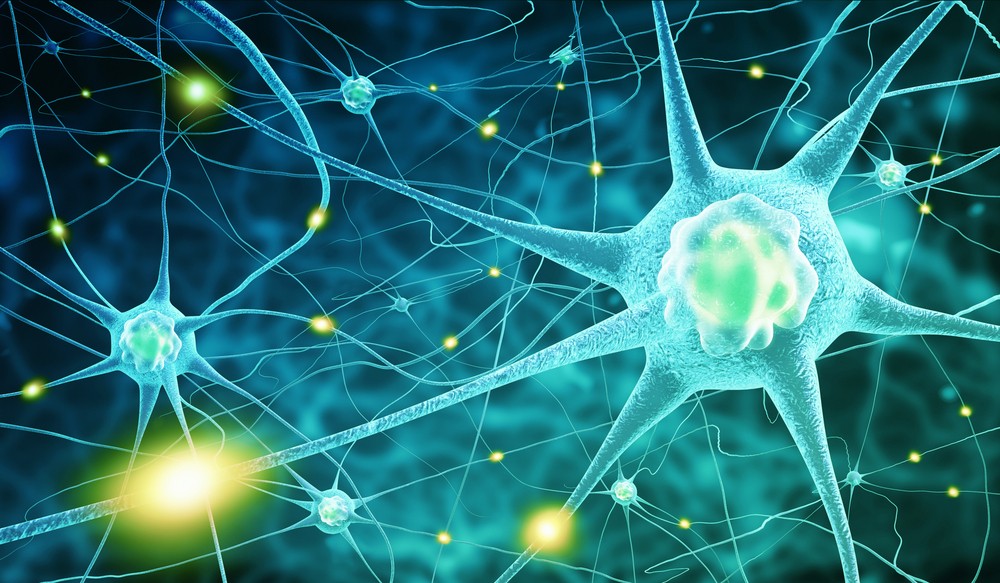
„Significant changes to the nervous system“

29.05.2024
In a systematic review, researchers from Spain conclude: glyphosate residues in
Glyphosat – ein höchst umstrittenes Pestizid„/></a></div><div class=Science & Research

Glyphosate – a highly controversial pesticide

29.05.2024
Glyphosate is considered a highly controversial pesticide that may be carcinogenic.
Wertvolle Lern-App für die Mundhygiene„/></a></div><div class=Science & Research

Valuable Learning App for Oral Hygiene

10.05.2024
People with cognitive impairments or dementia find it increasingly difficult to maintain their oral hygiene.
Längeres Leben dank sozialer Unterstützung„/></a></div><div class=Science & Research

Longer life thanks to social support

26.04.2024
Feeling cared for and appreciated makes most people feel good. But especially the
Abführmittel können Demenzrisiko erhöhen„/></a></div><div class=Science & Research

Laxatives may increase dementia risk

26.04.2024
Most laxatives are available over-the-counter, and their use is widespread. However, researchers
Wenn Menschen mit Demenz sich selbst verletzen„/></a></div><div class=Science & Research

When people with dementia self-harm

26.04.2024
When and to what extent do people with dementia harm themselves? In order to gain insights into this
Besser einer zweiten Sprache mächtig sein„/></a></div><div class=Science & Research

To be proficient in a second language

26.04.2024
Those who speak two languages throughout their lives can protect themselves from cognitive decline in this way.
Weite Wege zur Demenzdiagnostik – Studie untersucht Erreichbarkeit von Gedächtnisambulanzen in Bayern„/></a></div><div class=Latest on digiDEM Science & Research

Long journeys to dementia diagnosis – study examines accessibility of memory clinics in Bavaria

23.04.2024
Memory clinics are of central importance for the early diagnosis of dementia. These highly specialized
Webbasiertes Gehirntraining zeigt keinen Nutzen„/></a></div><div class=Science & Research

Web-based brain training shows no benefit

19.04.2024
Web-based cognitive trainings and cognitive stimulations are intended to help improve the memory performance of patients
Science & Research

Spatial Accessibility of Memory Clinics – A Geographical Analysis within the Framework of digiDEM Bavaria

06.04.2024
Memory clinics (MC) can significantly contribute to qualified dementia diagnostics. Due to the accessibility
Digitale Angebote in der Demenzversorgung stärken Wohlbefinden„/></a></div><div class=Science & Research

Digital offerings in dementia care strengthen well-being

05.04.2024
Online psychological counseling, video self-help groups, an internet guide for dementia, or knowledge resources such as the digiDEM Bavaria knowledge test
Wenn Trauer krank macht„/></a></div><div class=Science & Research

When grief makes you sick

26.03.2024
Grief is painful, but it is an important processing step when a loved one
1 12 13 14 15 16 32

Newsletter Archive

This way to the archive where you can find all previously published newsletters for reading

Skip to content