
Communication with People with Dementia – General Guidelines and How to Handle Problematic Situations
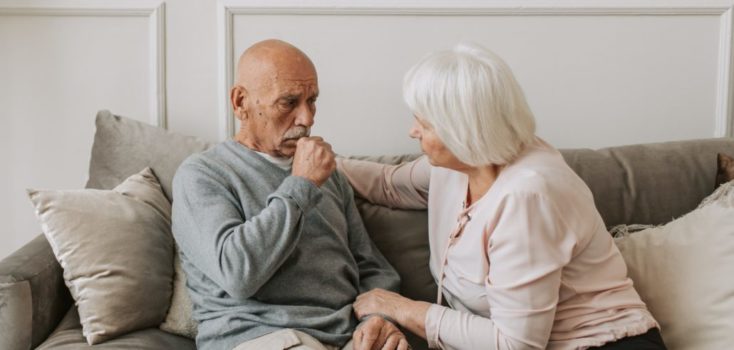
Communication with other people is an essential part of our daily lives. However, various barriers arise when communicating with people with dementia, making exchange and related social participation more difficult. Misunderstanding, arguments, anger, and irritation, or even social withdrawal can be the consequences. In the lecture...

Digital Health Applications (DiHAs)

Digital solutions in care? From 2022, digital care applications (DiPAs) are to be reimbursed by long-term care insurance funds, thus improving the care of the chronically ill and easing the daily routine of caring relatives. Especially in outpatient care settings, the use of digital solutions, such as apps or web-based applications, can offer a...

Volunteering and Dementia

Volunteers are an important building block in the care of people with dementia and in relieving the burden on their family caregivers. Due to demographic change, changing family structures, and the increasing number of dementia cases, the promotion of volunteer engagement in the field of dementia has increasingly come into the political focus. Furthermore…

Palliative Care for People with Dementia – the „EPYLOGE“ Study

Palliativversorgung bei Demenz? Palliativversorgung heißt Leiden lindern und Lebensqualität verbessern. Dabei beschränkt sich die Palliativversorgung weder auf Krebserkrankungen noch auf den Sterbeprozess. Etwa ab dem mittleren Stadium einer Demenz kann eine palliative Versorgung erforderlich sein. Erst kürzlich wurde die „EPYLOGE“-Studie unter der Leitung von Prof. Dr. Janine Diehl-Schmid abgeschlossen. Hierbei …

Einsamkeit und Demenz

Das Gefühl der Einsamkeit ist unter älteren Menschen im Zuge der Corona-Pandemie offenbar gestiegen.  So fühlten sich im Sommer 2020 laut den Ergebnissen des Deutschen Alterssurveys (DEAS) 14 Prozent der 46- bis 90-Jährigen einsam. Damit ist der Anteil 1,5-mal höher als in den Befragungsjahren 2014 und 2017.   Einsamkeit im …

The use of music and reading for dementia – the international study ‚Homeside‘

Regulating dementia symptoms. Sharing memories. Enjoying togetherness. – Previous research suggests that music and reading therapy offerings for people with dementia and their caregivers have various positive effects. For example, dementia symptoms can be reduced, well-being improved, and the relationship between caregivers and care recipients strengthened. In ...

Music therapy for people with dementia – with Stephan Förster

What role does music play in your life? Making music together improves mood and helps to relax. At the same time, music can activate memories, encourage discussion about them, and thus promote communication. This can also enrich and ease the daily lives of people with dementia, which are often characterized by psychological and behavioral symptoms...

Non-pharmacological therapy in dementia: the MAKS® therapy

Dementia diagnosis – what now? Currently, there is no reliable way to prevent or cure degenerative dementias. In the area of drug treatment, there have been no significant developments in recent years. Therefore, non-pharmacological therapies, such as the MAKS® therapy, are particularly important for treating cognitive impairments up to dementia...