
Is economic inequality a dementia risk factor?

Assets, income, and the risk of people aged 80 and over in Germany developing dementia: what are the connections? Do economic inequalities play a role? Researchers from Germany, Great Britain, and Australia investigated these questions. To get straight to the point: there is a connection between wealth and dementia. „This knowledge has the potential to advance research..."


Ready for the dementia test?

Researchers from China found that 62 percent of surveyed older high-risk individuals were willing to participate in dementia screening. However, only 12 percent actually underwent the test. The researchers cited psychological factors as the explanation for this discrepancy. Almost 40 percent of dementia cases can be prevented or...

Tested for dementia – now what?

Dementia prevention at the municipal level – how can it succeed? A study from the USA investigated how older people deal with their test results and the information they received after the test. More than half of the study participants shared their screening results with their families, and a good third informed...

Brain training and a healthy lifestyle

Nicht immer sind Medikamente die Lösung, wenn es darum geht, die geistige Leistungsfähigkeit bei Menschen mit leichten kognitiven Beeinträchtigungen (MCI) zu verbessern und vielleicht sogar einer Demenz vorzubeugen. Forschende aus Hong Kong haben in einer aktuellen Übersichtsarbeit aus dem Jahr 2025 zusammengestellt, welche miteinander kombinierten, nicht-medikamentösen Therapien förderlich sein können. …

Where to go – GP or neurology practice?

People with dementia in rural areas prefer to visit a general practitioner's office. In contrast, people with dementia living in urban areas more frequently consult medical specialists in the fields of neurology or neuropsychiatry. This was the conclusion reached by researchers at the University of Bremen who analyzed the healthcare utilization of 1.7 million individuals with statutory health insurance. In our...

Type 2 Diabetes and Dementia Risk: Vigilance is Key

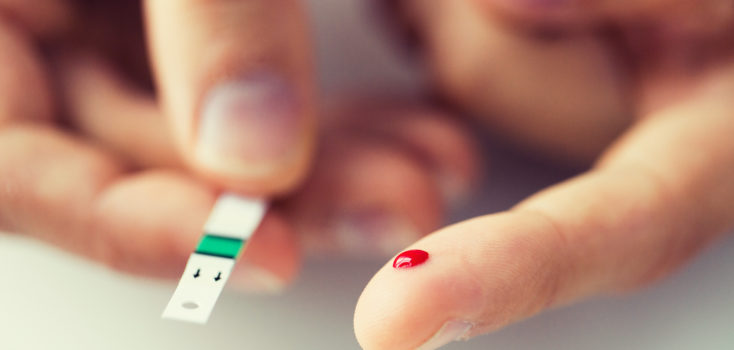
Doctors should closely monitor the cognitive abilities of patients with type 2 diabetes, even in the years following their initial diagnosis. This is due to a later increase in dementia. This is presented by a new scientific study from Germany. Scientists from Germany have now proven what had previously been little researched. They investigated to what extent...

From Science to Society: Dementia Prevention Concerns Everyone

A healthy lifestyle can significantly reduce the risk of dementia, especially in middle age between 40 and 75 years old. This connection has been well researched. But how can this far-reaching scientific finding reach the general public? A Europe-wide network of dementia researchers has developed a position paper for this purpose. The Interdem researchers, led by...